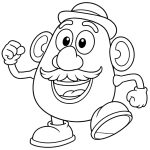

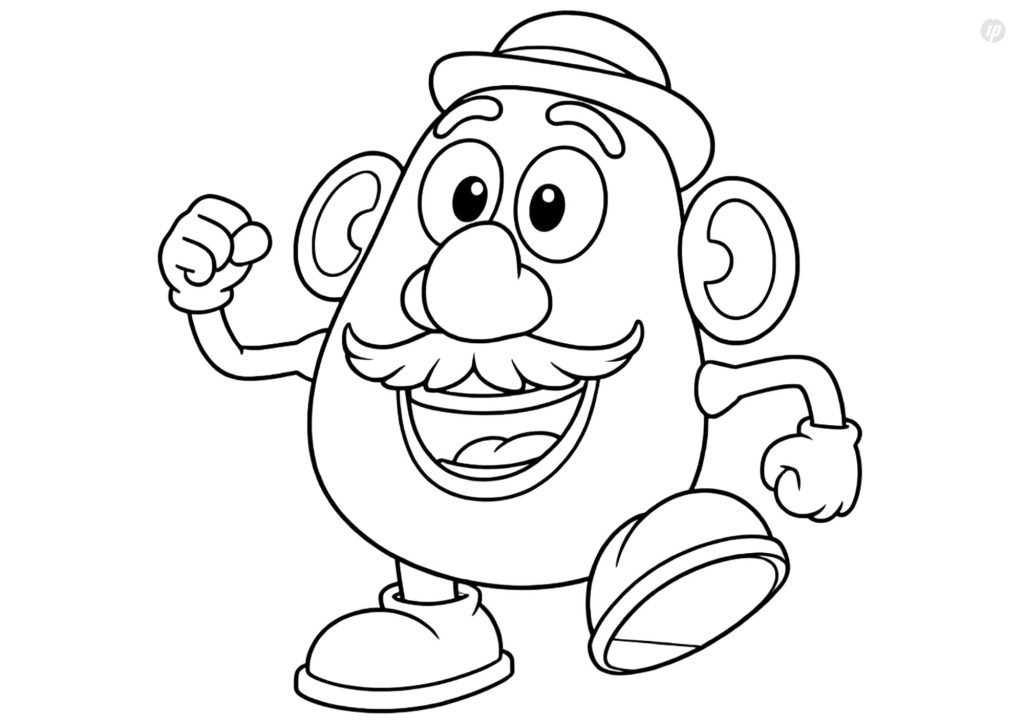
What kind of toy can lose an eye, pop off an ear, switch noses, and still somehow look like he has a complaint ready to go? Mr. Potato Head, of course. Few Toy Story characters can turn a pile of removable parts into quite so much personality. One minute he looks annoyed, the next he looks completely ridiculous, and somehow both versions still feel unmistakably like him. That makes Mr. Potato Head coloring pages especially fun for kids, because every little piece of his face can become part of the joke. Pick a page, print it out, grab the crayons, and suddenly that famous potato shaped toy is waiting for a whole new look.
Mr. Potato Head has always had a way of making even ordinary moments feel funny. He is quick with a comment, easy to annoy, and rarely shy about showing exactly how he feels. His eyes can say plenty before he even opens his mouth. His eyebrows can make him look suspicious, grumpy, surprised, or ready to fire back with one of his sarcastic remarks. For kids who love characters with big expressions, that gives each drawing plenty of personality before the first crayon even touches the paper.
Then there are all those removable pieces. Mr. Potato Head was designed so his facial features and other parts can be taken off and moved around, which is a huge part of what makes him instantly recognizable. Eyes, ears, arms, and other pieces can be separated from his potato shaped body, and he even has a storage compartment for extra parts. That idea is practically an invitation to get creative on paper. A child can color the pieces the way they remember them from Toy Story, or decide that today Mr. Potato Head needs a completely different style.
Maybe his shoes should be purple. Maybe his hat should look like it belongs at a birthday party. Maybe one eye gets a silly color just because it makes everyone laugh. There is no reason every printable Mr. Potato Head picture has to look exactly the same. Coloring is much more fun when kids get to make choices, especially with a character whose whole design is built around changing pieces and funny combinations.
That is where these Mr. Potato Head coloring pages can turn into more than a quiet activity at the table. Kids can invent a mood for every picture. If his eyebrows look extra serious, maybe he just discovered that somebody moved his favorite hat. If his mouth looks surprised, perhaps Rex came stomping into the room when nobody expected it. If he seems irritated, maybe Hamm made a joke that went a little too far. The picture gives the child a starting point, but the story can go anywhere.
Parents can join the fun without turning the activity into homework. Ask what Mr. Potato Head is thinking. Let the child make up his next line. See whether they want him to look cheerful, grumpy, goofy, or completely confused. A simple printable drawing can quickly become a little storytelling game. The crayons keep moving while the imagination does too.
Kids who enjoy drawing can take the idea even further. After they color Mr. Potato Head, they can draw extra pieces beside him. A giant pair of glasses could be waiting nearby. A tiny hat could be sitting on the floor. Maybe he needs three different noses to choose from, or a brand new mustache that looks nothing like the usual one. Younger children can make simple shapes, while older kids can invent entire sets of accessories.
There is something wonderfully funny about a character who can look so grumpy while being surrounded by such playful possibilities. Mr. Potato Head may complain, roll his eyes, or react like he already knows trouble is coming, but he is also a loyal member of the Toy Story group. Disney describes him as a true friend, and that softer side has always been part of what makes him entertaining. Under all the sarcasm is a toy who cares about the others and sticks around when his friends need him.
His relationship with Mrs. Potato Head brings out even more of that side. The two are one of the most memorable toy couples in the series, and Mr. Potato Head clearly has a special place in his heart for his wife. A child coloring both characters can turn the page into a scene of its own. Maybe they are getting ready for an adventure. Maybe they are arguing about where a missing piece went. Maybe Mrs. Potato Head has packed something extra because she knows her husband well enough to expect trouble.
That kind of pretend play works especially well with Toy Story because the movies are built around the idea that toys have friendships, worries, jokes, and adventures of their own. A coloring page lets kids step into that world without needing anything complicated. Print a picture, set out some crayons or markers, and the play can begin.
Some children will want to match familiar colors as closely as possible. They may study the character carefully and try to recreate the look they know from the movies. Other kids will ignore every familiar color and create a Mr. Potato Head who looks like he just walked out of their own imagination. Both choices are great. There is no coloring police standing nearby to say a hat cannot be orange or a pair of shoes cannot be covered in dots.
Paint can be part of the fun too. If the paper is thick enough and an adult is helping with the setup, washable paint can give the picture a completely different feel. Crayons make quick, bold marks. Colored pencils are handy for smaller spaces. Markers can make each piece stand out. Paint can turn the activity into something messier and more playful. The same drawing can look surprisingly different depending on what kids use.
Printing more than one copy opens up even more possibilities. One version can follow the familiar Mr. Potato Head look. Another can become a silly makeover. A third can be a family challenge where each person gets to choose the color for one part without telling anyone else what they picked. When the page is finished, the mismatched result may be the funniest one of all.
Teachers can use Mr. Potato Head coloring pictures in playful classroom activities too. His face is especially useful for talking about expressions. Children can look at his eyes, mouth, and eyebrows and guess how he might be feeling. Then they can draw a different expression beside him or explain what might have happened to make him react that way. The activity stays light and creative while encouraging kids to notice small visual clues.
A classroom could also turn several finished pages into a Toy Story display. Each child can color Mr. Potato Head in a different way, then compare how many completely different versions came from the same character. One might look fancy. Another might look wild. Somebody will probably make one that looks hilariously grumpy. The differences become part of the fun.
For kids who already know Woody, Buzz Lightyear, Jessie, Rex, Hamm, and Slinky Dog, Mr. Potato Head can also become the beginning of a bigger Toy Story picture. After coloring him, they can draw one of his friends next to him. They can add a toy room, a box, a shelf, or an imaginary place that does not appear in any movie at all. Maybe the gang is exploring a giant playground. Maybe they are hiding from a vacuum cleaner. Maybe Mr. Potato Head has somehow ended up in charge, which would probably give him plenty to complain about.
The fun can continue with Toy Story 5 as well. Mr. Potato Head is part of the returning Toy Story world as the toys face a very different kind of challenge. Bonnie has a new tablet named Lilypad, bringing technology right into the middle of playtime. That setup gives kids an easy idea for their own pictures. What would Mr. Potato Head think about a tablet taking up so much attention? What face would he make? Would his eyebrows shoot up? Would he look annoyed? A child can draw a speech bubble and decide for themselves.
That mix of old fashioned toys and new technology can inspire all kinds of make believe. Kids could draw Mr. Potato Head next to a tablet, a game controller, or another gadget and invent a conversation between them. They might decide he is curious. They might decide he wants nothing to do with it. They might create a completely silly scene where one of his removable pieces somehow ends up in the wrong place while everyone is distracted.
The activity can become a storytelling game for siblings too. One child colors the picture while another creates the story. Then they switch. The next person has to continue whatever happened before. Soon Mr. Potato Head may be searching for a missing ear, helping Woody solve a problem, arguing with Hamm, and trying to keep Rex from panicking, all on the same afternoon. None of that needs to follow the movies. It is simply kids using a familiar character to invent something of their own.
There is also plenty for younger children to enjoy without creating a complicated story. Mr. Potato Head has large, recognizable features that are easy to spot on a coloring page. A parent can name the parts while the child colors them: eyes, ears, nose, mouth, arms, shoes. Then the child can point to those same body parts on themselves. It turns a familiar character into a playful little learning moment without interrupting the fun.
Older children might enjoy paying closer attention to shapes, outlines, shadows, and details. They can experiment with pressing lightly or heavily with a colored pencil, filling areas evenly, or adding patterns to pieces that would normally be plain. Stripes on the hat? Tiny stars on the shoes? A checker pattern somewhere unexpected? Mr. Potato Head is probably one of the last characters who would complain about looking unusual, even if he would certainly have something sarcastic to say about it.
Finished pages do not have to disappear into a stack of papers either. Kids can hang their favorite picture on the refrigerator, add it to a bedroom wall, place it in a classroom display, or keep a folder filled with Toy Story coloring pages. Several characters together can become a homemade collection. Each new page adds another member of the toy box.
A child can even compare drawings made weeks apart. The first Mr. Potato Head might use simple blocks of color. A later one may have extra details, cleaner lines, backgrounds, or accessories that were drawn by hand. Kids often notice their own progress when they can actually see older artwork next to newer pictures, and a familiar character makes that comparison especially easy.
Of course, nobody needs a big project every time. Sometimes the best use for a printable coloring page is simply a calm afternoon with a box of crayons. Mr. Potato Head already brings enough personality to the table. Kids can color at their own pace, laugh at his expression, change whatever they want, and enjoy making something that belongs to them.
So choose a favorite Mr. Potato Head coloring page and print a copy for the next creative break. Color his familiar pieces, paint a totally unexpected version, or draw a few new accessories around him. Give him a funny expression, invent a problem for him to solve, or place him beside the rest of the Toy Story gang. With a character made for mixing, matching, and making faces, even one sheet of paper can lead to a whole pile of wonderfully silly ideas.
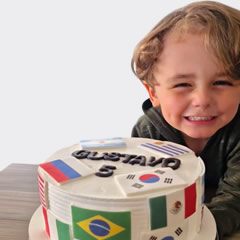
At just 5 years old, Gustavo turned a simple request to print coloring pages into an idea that now inspires children in more than 150 countries.
That is how Imprimivel.com was born, a project created alongside his father, Jean Bernardo, to spread color, imagination, and joy across 10 different languages, reaching a potential audience of more than 800 million children around the world.
Today, Gustavo is responsible for curating the content, enthusiastically choosing the themes and characters that will make other children smile, always under the editorial guidance of his father, who brings his son’s ideas to life.
Other similar drawings
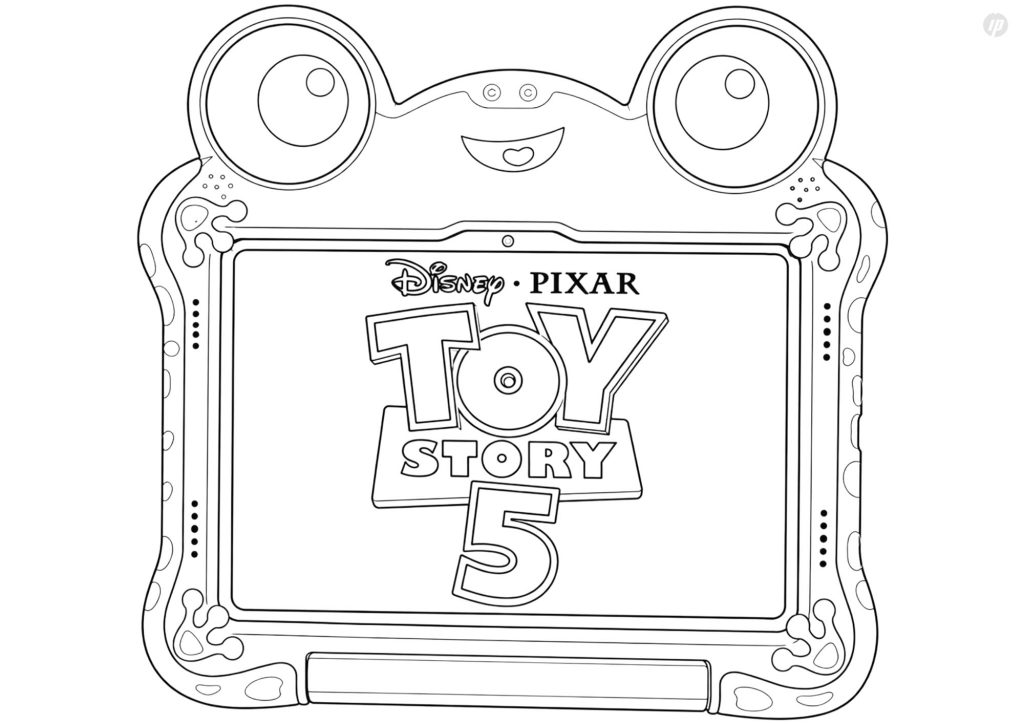
Lilypad
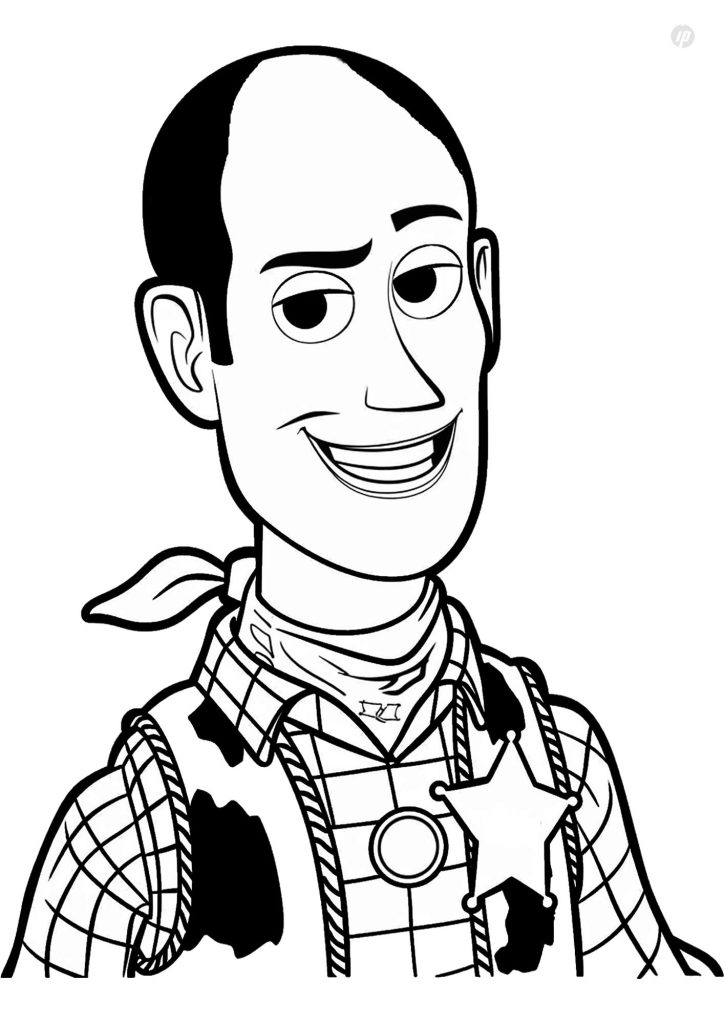
Woody
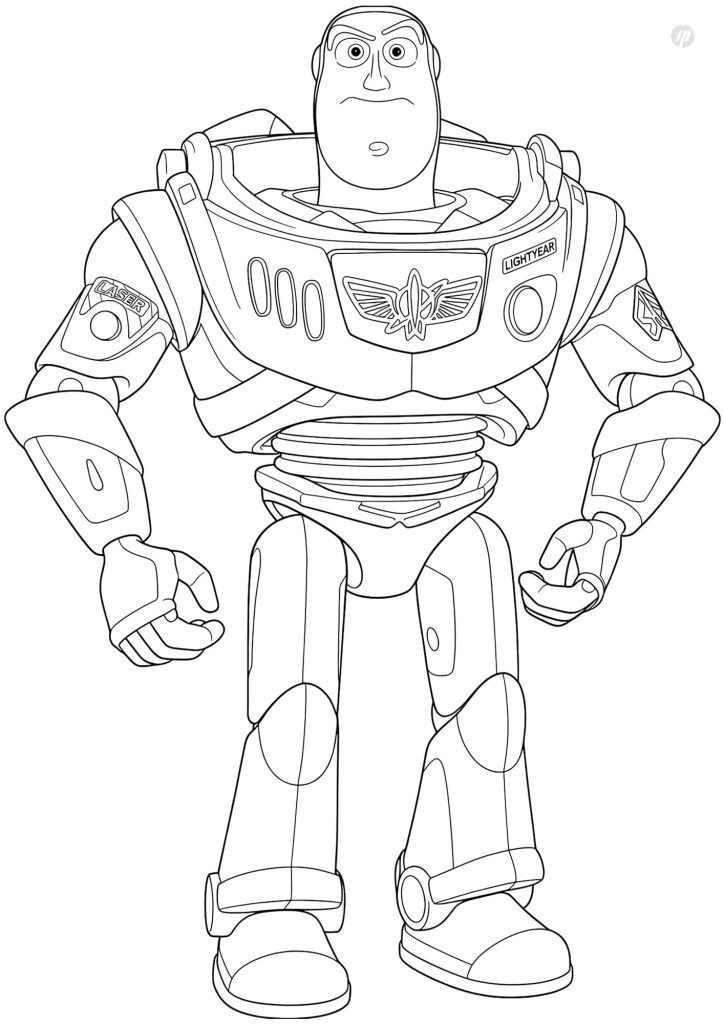
Buzz Lightyear
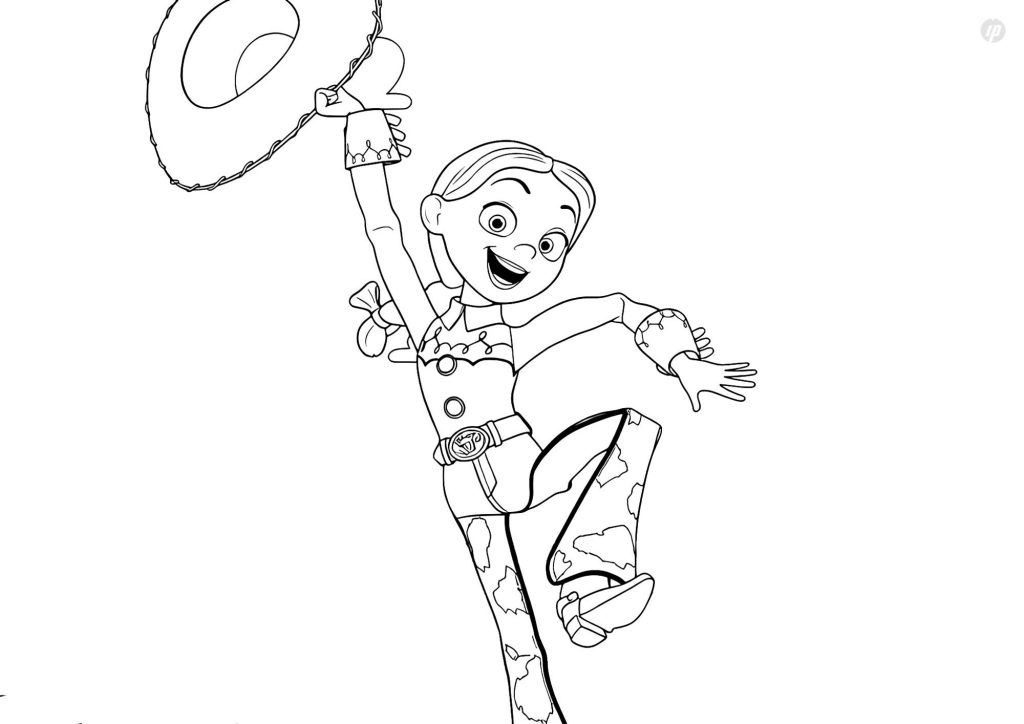
Jessie
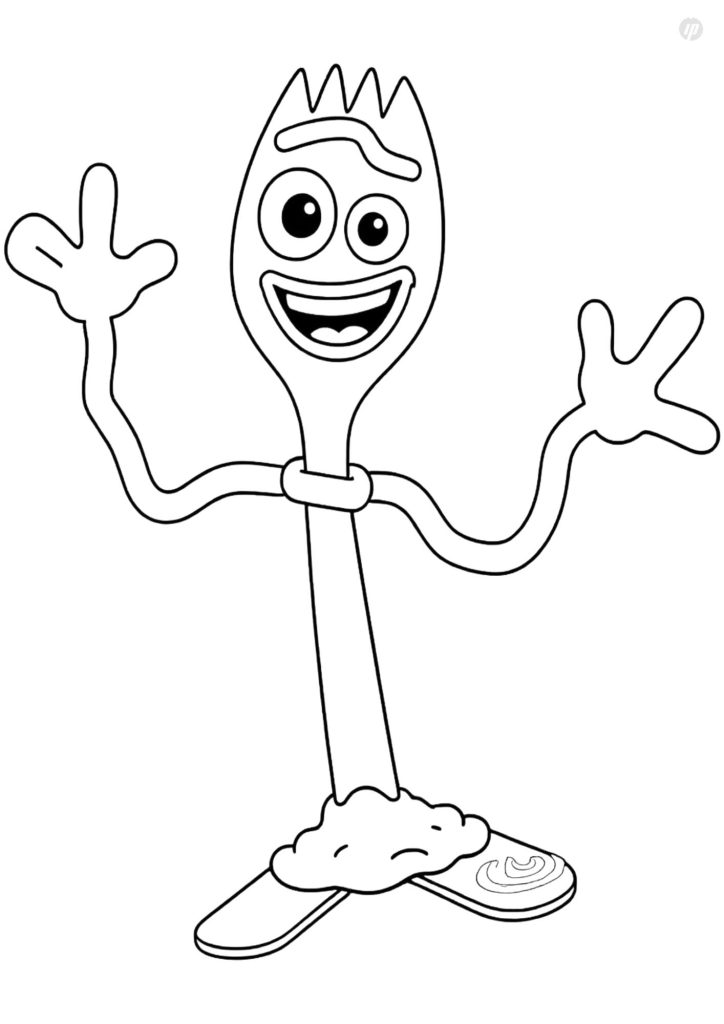
Forky
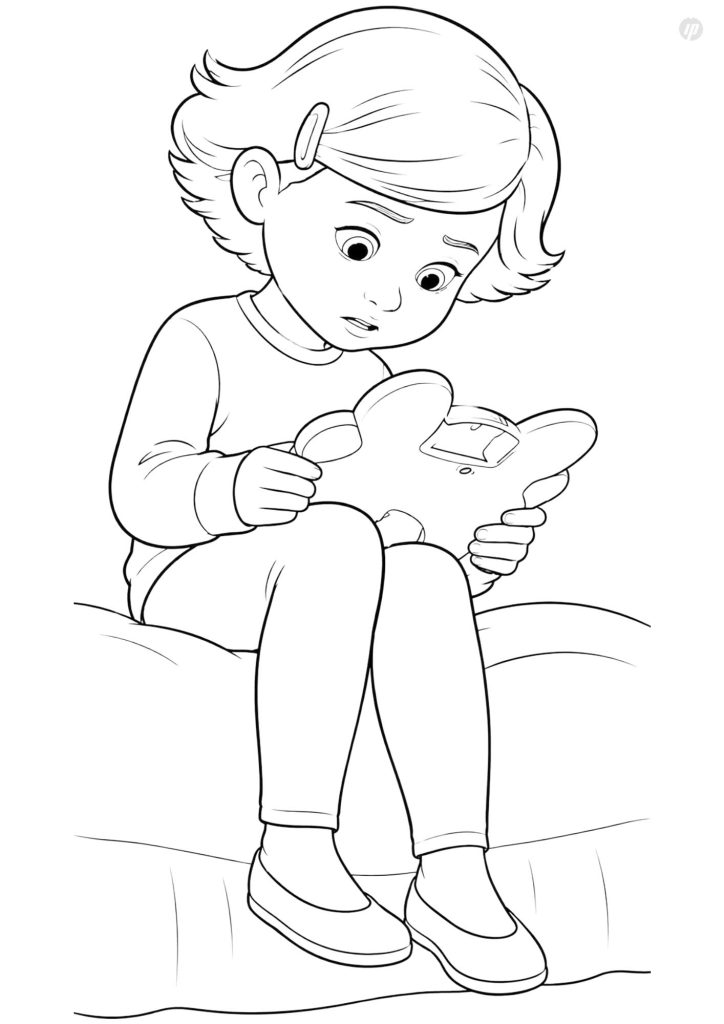
Boonie
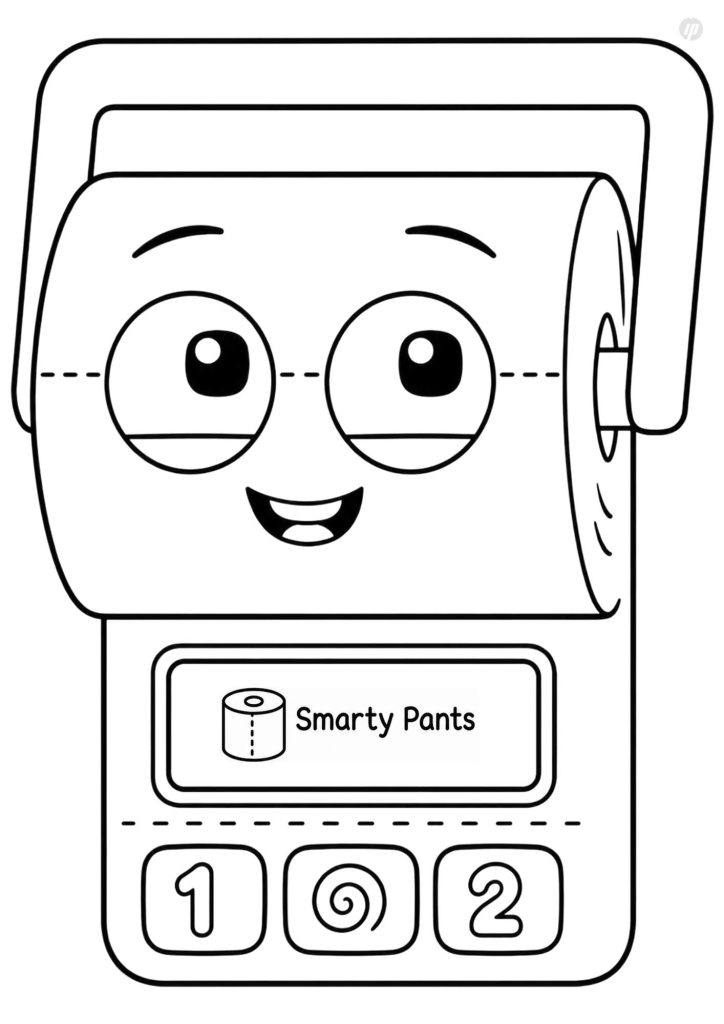
Smarty Pants
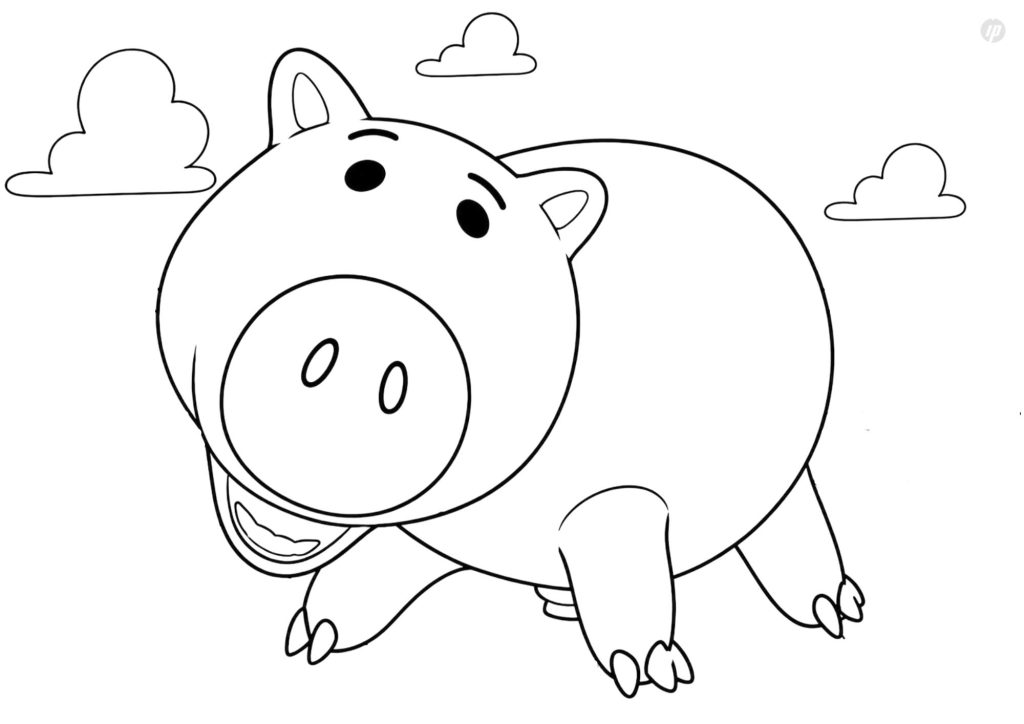
Hamm
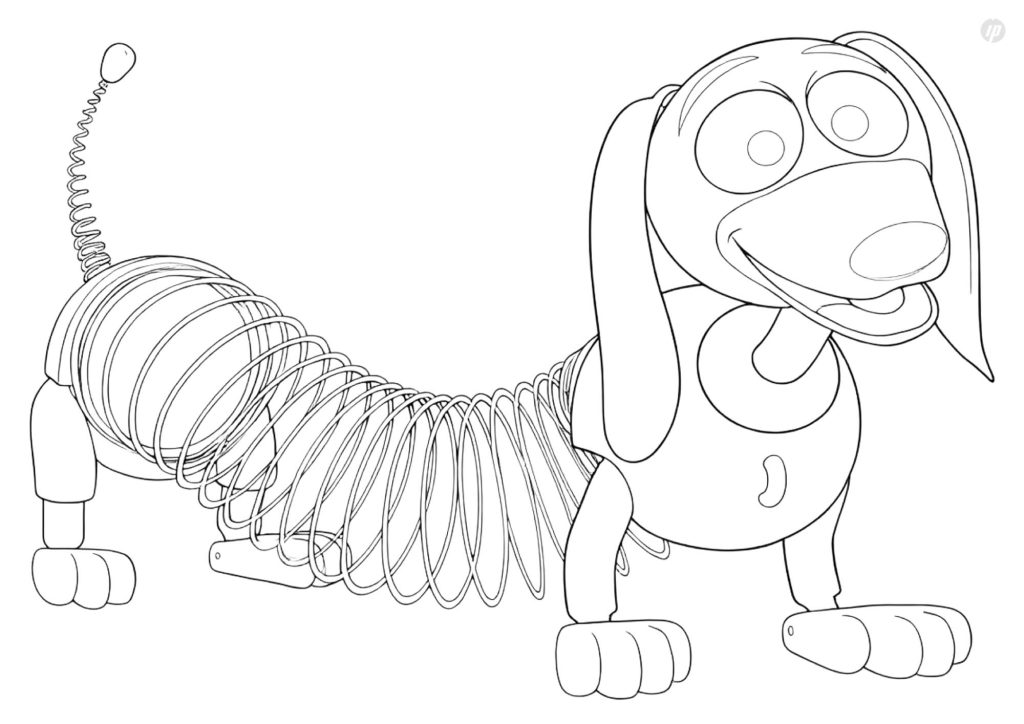
Slinky
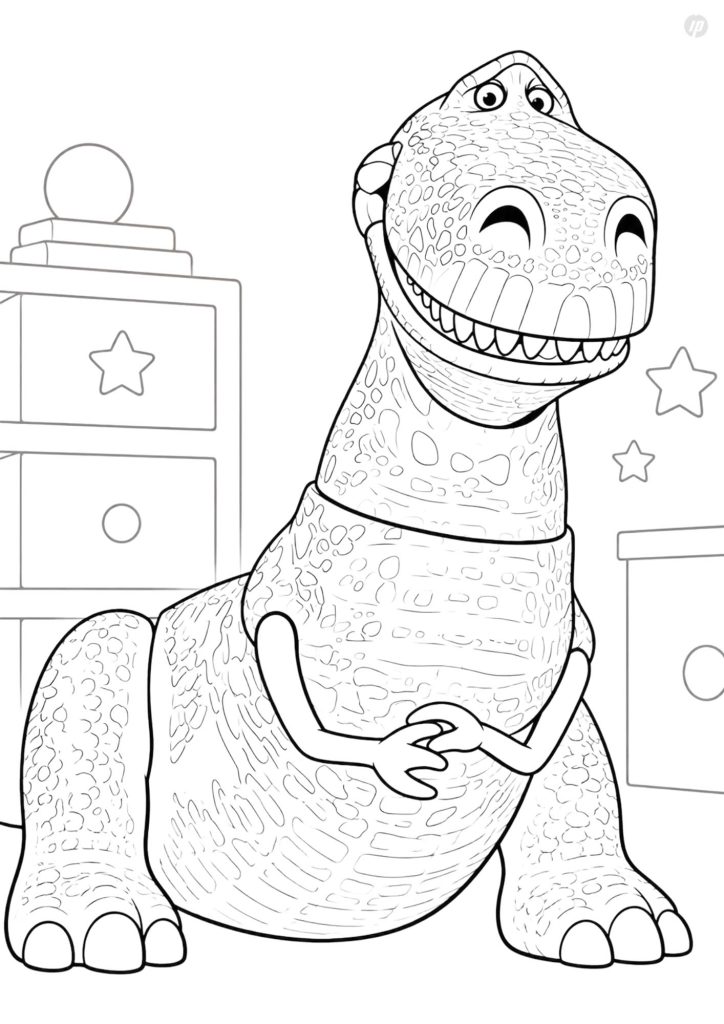
Rex
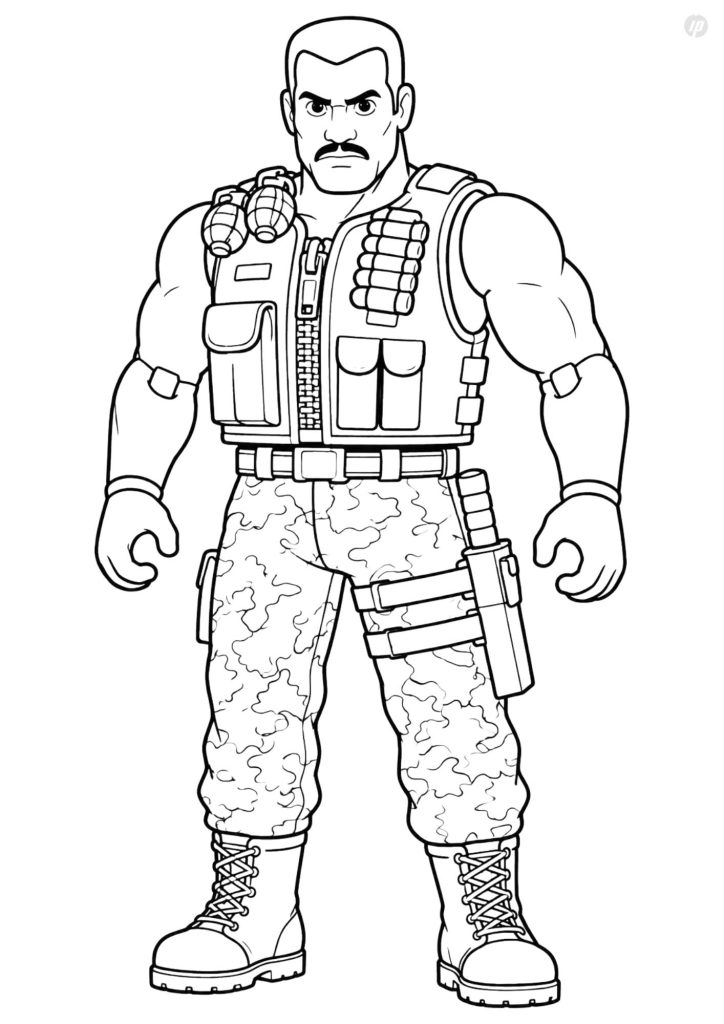
Combat Carl
Bo Peep
Karen Beverly
Stoick
Ruffnut
Heather
Nick Wilde
Gary De’Snake
Flash
Priscilla
Bellwether
Officer Clawhauser
Yax
Frantic Pig
Officer Higgins
Sheep Thug
Stu Hopps
Jerry Jumbeaux Jr
Gareth