
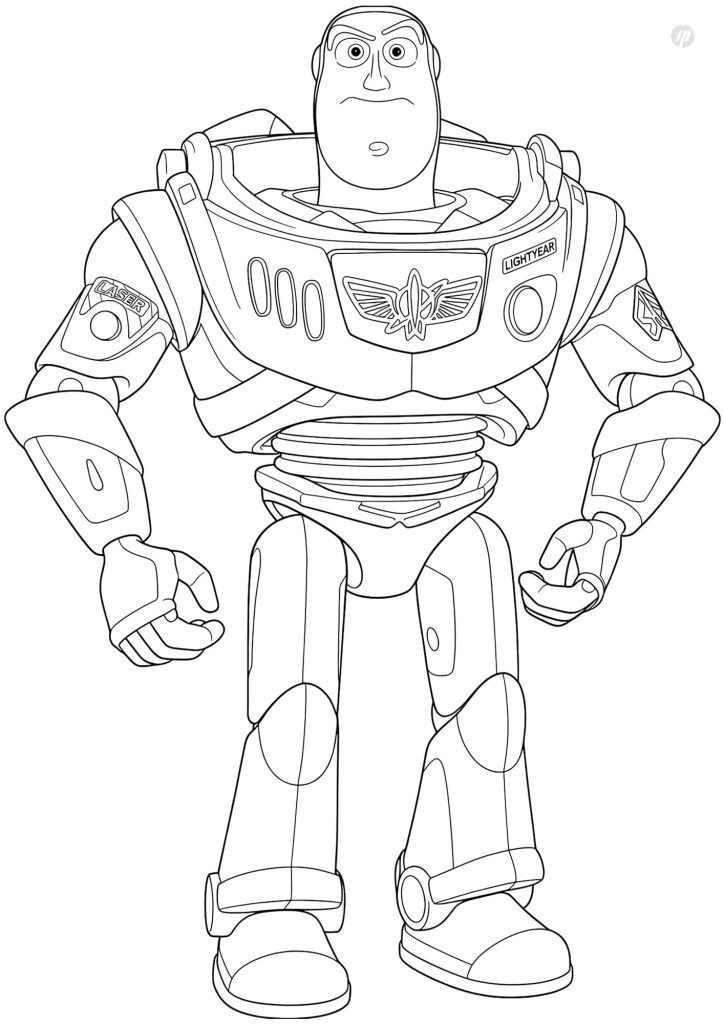
Blue button, green button, red button. One look at Buzz Lightyear’s chest panel and it already feels like something exciting is about to happen. Kids know that kind of detail matters, because Buzz never looks like a toy that just stands still. He looks ready to launch, ready to help, and ready to turn any room into a space mission. That playful energy is exactly what makes this Buzz Lightyear coloring page from Toy Story 5 so fun to print. The picture gives children a chance to slow down, notice the little parts of his suit, and fill the page with the colors that made him one of the most recognizable heroes in the Toy Story world.
This printable coloring page is a great pick for children who already love Buzz and for families looking for a fun Toy Story 5 activity to use at home, in class, or during a quiet afternoon. The page can be printed and colored with crayons, colored pencils, markers, or even paint if the paper is thick enough. Some kids like to copy the classic look they already know, while others enjoy making their own version of the character. Both choices work beautifully here, because Buzz has a design that is easy to recognize even when a child decides to get creative with the colors.
His spacesuit is one of the first things children usually notice. The main suit is white, which leaves plenty of open space for coloring without making the page feel crowded. Around that white base, there are bright lime green sections on the torso and limbs, along with purple details around the head, waist, and legs. Those bold colors help the character pop on the page and give children a simple color plan if they want to stay close to the official look. The darker joints can be filled with black or dark gray, which creates a nice contrast and helps the body parts stand out more clearly.
The chest panel can become the star of the coloring activity all by itself. On one side, there are three small oval buttons in blue, green, and red. On the other side, there is a larger red button, along with the Star Command logo and the “LIGHTYEAR” name label. Small details like these are perfect for kids who enjoy careful coloring. A child can use a sharpened colored pencil for the buttons, outline the name tag slowly, and decide how bright or bold the chest area should be. If they want to add a little extra fun, they can draw tiny glowing lines around the button that activates Buzz’s laser and pretend it is lighting up in the middle of a mission.
The helmet is another part that makes this drawing special. Since Buzz’s helmet is clear, children do not need to color the entire area heavily. A neat trick is to leave most of it white and add a few curved light blue lines to suggest shine and reflection. That tiny choice can make the helmet look glossy without making the face hard to see. It also gives young artists a chance to experiment with how to show something transparent on paper, which is a fun challenge for kids who like paying attention to visual details.
Buzz’s wings bring a whole different kind of fun to the page. When they are visible, they create a chance for children to practice balanced coloring on both sides. The wings have a white base with red striping at the tips and green details that tie them back to the rest of the suit. Kids can color one side first, then match the other side, almost like solving a tiny design puzzle. That kind of mirrored coloring can be satisfying and calming, especially for children who enjoy patterns and symmetry.
A lot of children are drawn to Buzz because he feels brave even when things get silly. In the first Toy Story, he begins as a toy who truly believes he is a real Space Ranger. Over time, he learns who he is and becomes one of the most loyal, dependable members of the toy group. He is confident, determined, and often very serious about his missions, yet he also has a funny side because his big heroic attitude plays so well against the everyday world around him. Those traits make him fun to watch, and they also help explain why he remains such a favorite character for coloring pages, crafts, and printable activities.
His friendship with Woody is a big part of that appeal too. They did not start out as instant best friends, but their relationship grew into one of the strongest bonds in the franchise. Buzz brings courage, order, and a Space Ranger mindset. Woody brings heart, experience, and a deep understanding of what being a toy means. In Toy Story 5, those familiar friendships return in a story that puts the classic toys in a new situation, one that feels especially timely for families today.
The new movie sets up a kind of competition for children’s attention, with the toys facing the growing pull of electronic devices. Official material has described this as a rivalry for attention rather than a simple good-versus-evil setup, which makes the story more interesting. The issue is not just that screens exist. The real challenge is what happens when toys that invite hands-on play are competing with something designed to hold a child’s focus in a different way. That idea gives parents, teachers, and kids a natural point of connection, because coloring and drawing are activities that bring children back to making, imagining, and playing with their own hands.
The story also introduces a memorable threat involving a group of fifty Buzz Lightyear figures. Official previews have described them as Buzz Lightyear Hi-Tech Edition toys who are stuck in Space Ranger mode, operating as a team and acting in a hostile way. That is a wonderfully surprising idea, because one Buzz is already a big presence in a room. Fifty of them immediately sounds like a challenge. For a coloring activity, that detail opens the door to extra play. A child can print the page more than once and create a whole squad of Buzz figures, giving each one a tiny difference in color, symbol, or background.
That repeated-character idea works especially well for classrooms and family activities. One child can color a classic Buzz with the familiar white, lime green, and purple suit, while another can invent a special mission version with orange accents, silver boots, or a deep blue chest panel. Someone else might keep the official colors but draw a different expression, a mission patch, or a star-filled background. When the pages are finished, the group can line them up and pretend they are looking at a team roster from Star Command.
If a child wants to turn this single page into a bigger art project, there are plenty of easy additions that fit naturally with Buzz. The background can become Bonnie’s room, a launch pad, a moon base, or a floating station in outer space. Blocks and toy boxes can turn into control stations. Stars, planets, and comets can be drawn around him. A child who enjoys making stories can add Woody nearby, sketch Jessie off to one side, or draw a tablet in the scene to connect the page to the movie’s central conflict. None of that has to be complicated. A few circles, lines, and toy-like shapes are enough to give the coloring page a setting.
The materials can shape the experience too. Crayons are great for younger children because they glide easily across the bigger white sections of the suit and help fill space fast. Colored pencils are useful for the chest buttons, the logo, the wing stripes, and the face. Markers bring brightness and energy, though many parents like to place a second sheet under the page in case ink bleeds through. Paint can also be a fun choice for older kids who want bolder color and thicker coverage. Printing the page a second time is a smart move if a child wants to test a new set of colors without losing the first version.
This page can also lead into a simple writing or speaking activity. After coloring Buzz, a child can invent a mission name and write it at the bottom of the page. They might call it “Rescue from Star Command,” “Buzz vs. the Robot Toys,” or “Operation Save Playtime.” Another child may want to give their Buzz a new patrol job, a secret code, or a team number. Teachers can use that idea to encourage a short sentence or a few lines of storytelling. Parents can ask questions out loud and let kids answer while they color. Where is Buzz going today? Who is on his team? What problem does he need to solve?
There are also a couple of fun facts about Buzz that older children and adults may enjoy sharing while the page is being colored. During the early development of the original Toy Story, the character went through temporary names before becoming Buzz Lightyear. Names such as “Lunar Larry” and “Tempus from Morph” were part of the creative process before the team chose to honor astronaut Buzz Aldrin. His signature lime green and purple color scheme also came from a personal choice by John Lasseter and his wife, with green being his favorite color and purple being hers. Details like that give the character a little extra personality off the page and make the finished coloring activity feel connected to a larger story.
Children who are excited about Toy Story 5 may also like knowing that Tim Allen is confirmed to return as Buzz’s original English voice, with Andrew Stanton directing the film. That bit of news helps link the printable page to the movie’s official world, which can make the activity feel even more special for fans who have followed the franchise for years.
A Buzz Lightyear coloring page works so well because it gives kids a mix of structure and freedom. The costume has iconic colors and recognizable features, yet there is still plenty of room for imagination. A child can stay faithful to the familiar look, or they can turn Buzz into a one-of-a-kind Space Ranger with a custom mission, a brand-new background, and a whole team built from extra printed pages. Once the page is printed, the fun can move in several directions at once. One child may focus on careful coloring. Another may want to draw more details. Someone else may turn the finished sheet into the start of a homemade Toy Story art collection. That is part of the charm of a character like Buzz. He always seems ready to go somewhere, and with a coloring page in hand, kids get to decide where that mission begins.
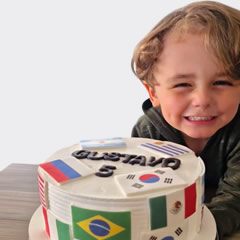
At just 5 years old, Gustavo turned a simple request to print coloring pages into an idea that now inspires children in more than 150 countries.
That is how Imprimivel.com was born, a project created alongside his father, Jean Bernardo, to spread color, imagination, and joy across 10 different languages, reaching a potential audience of more than 800 million children around the world.
Today, Gustavo is responsible for curating the content, enthusiastically choosing the themes and characters that will make other children smile, always under the editorial guidance of his father, who brings his son’s ideas to life.
Other similar drawings
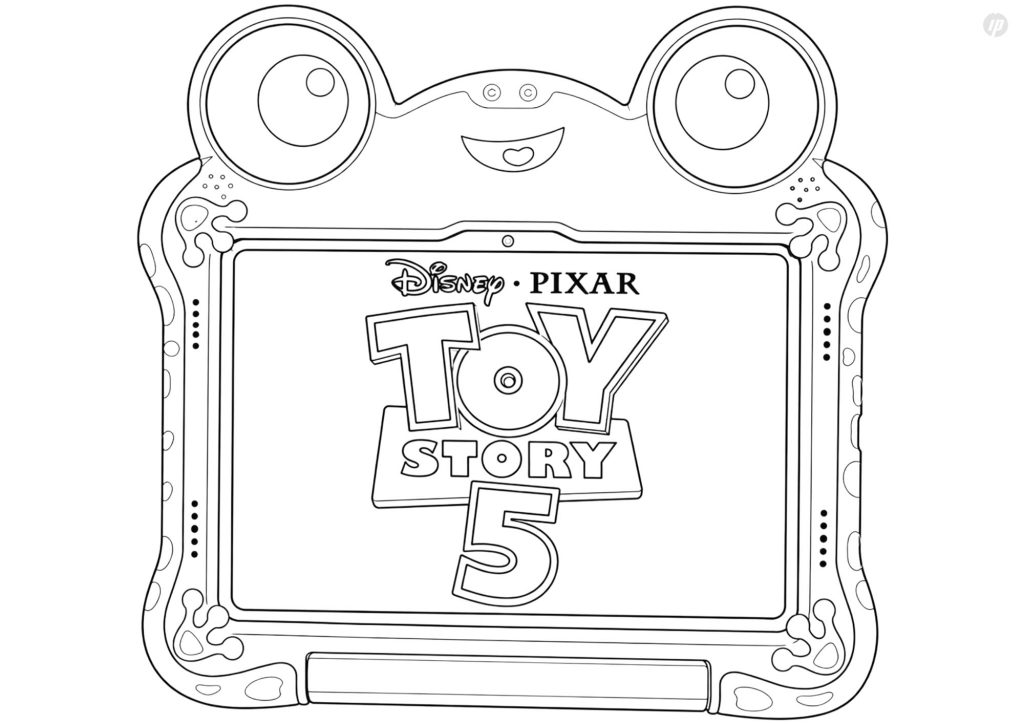
Lilypad

Woody
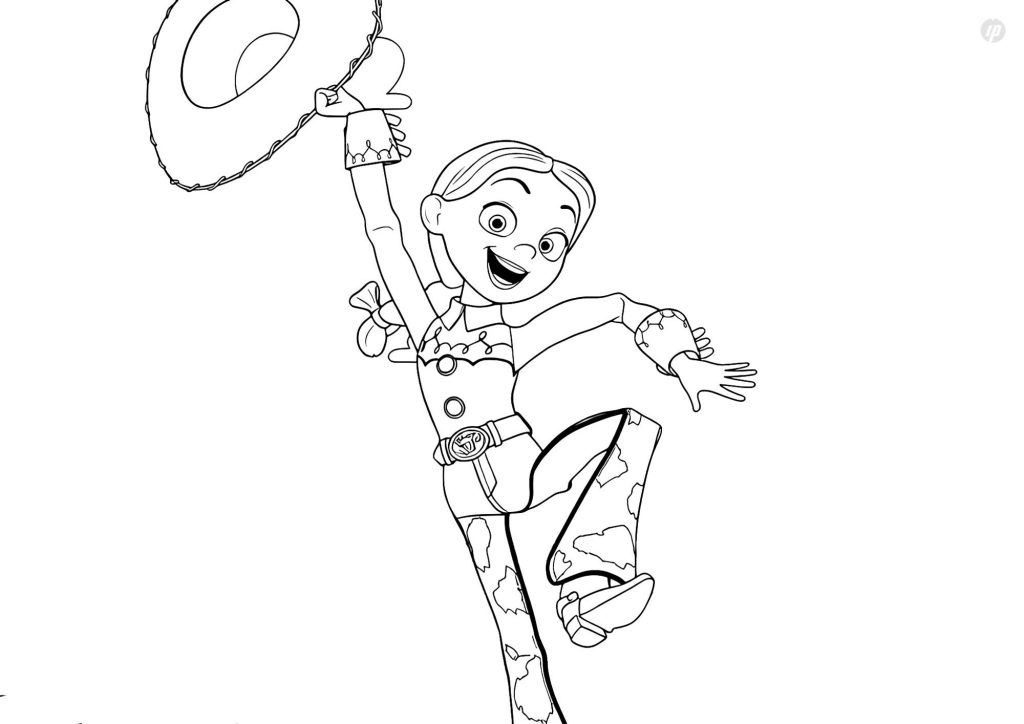
Jessie

Forky
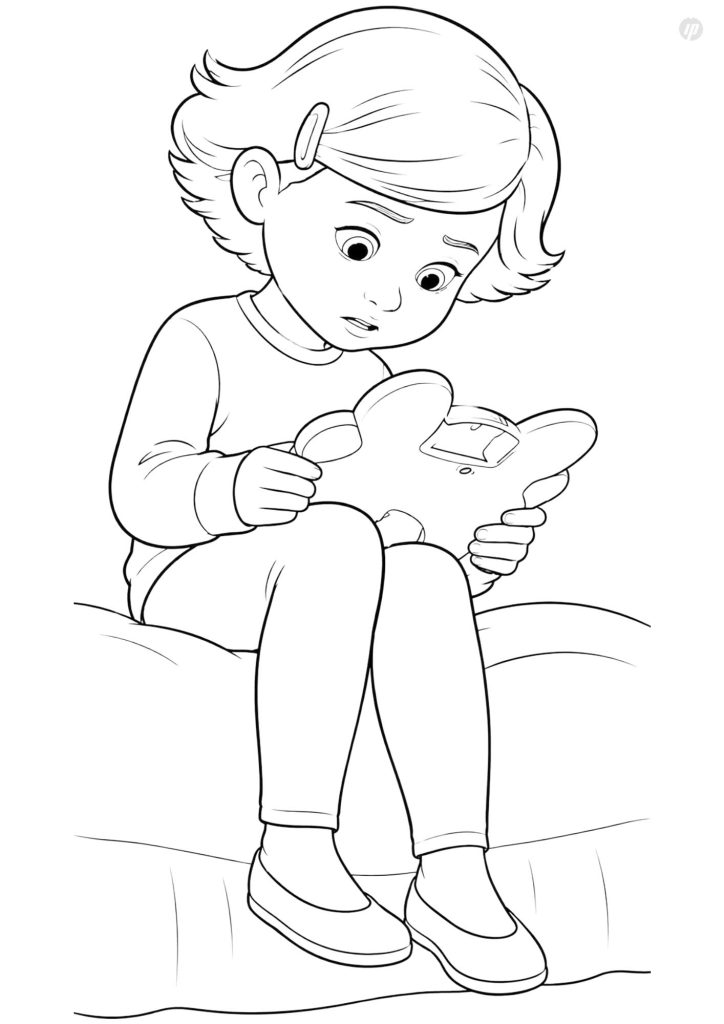
Boonie
Smarty Pants
Hamm
Slinky
Rex
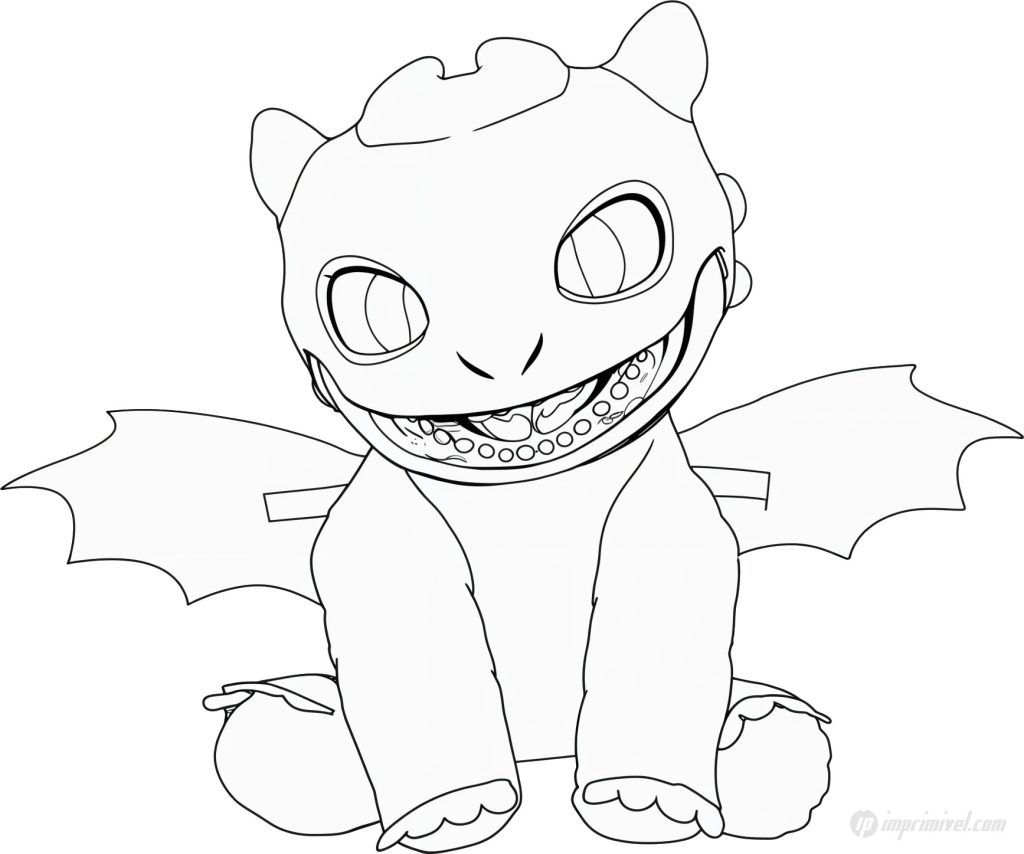
Toothless
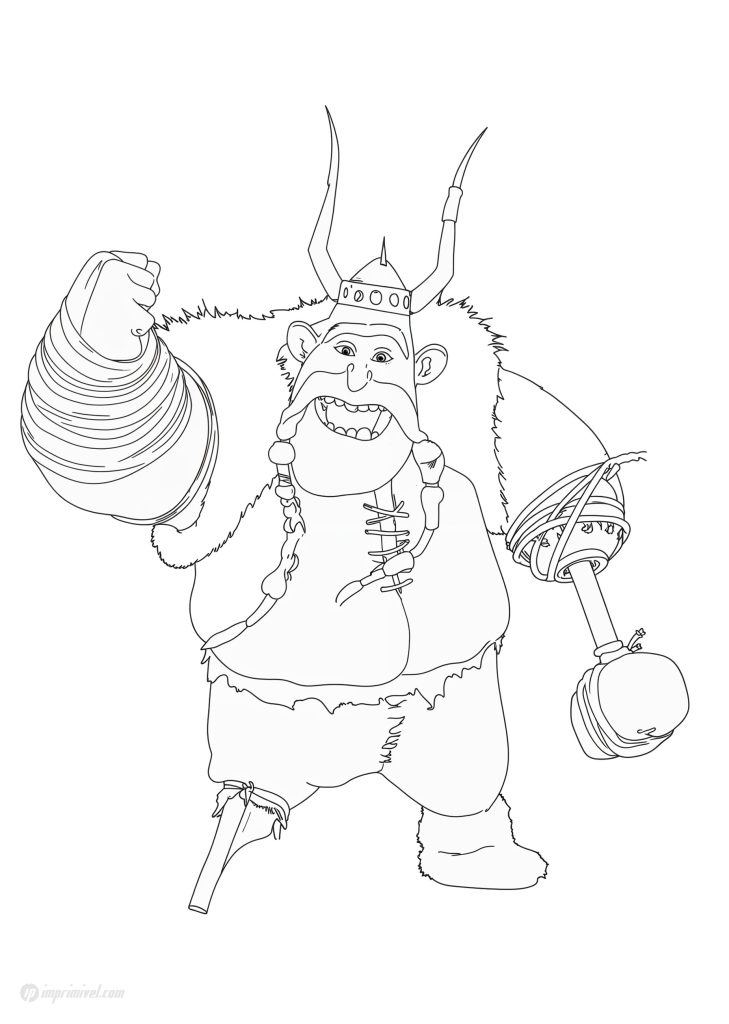
Gobber
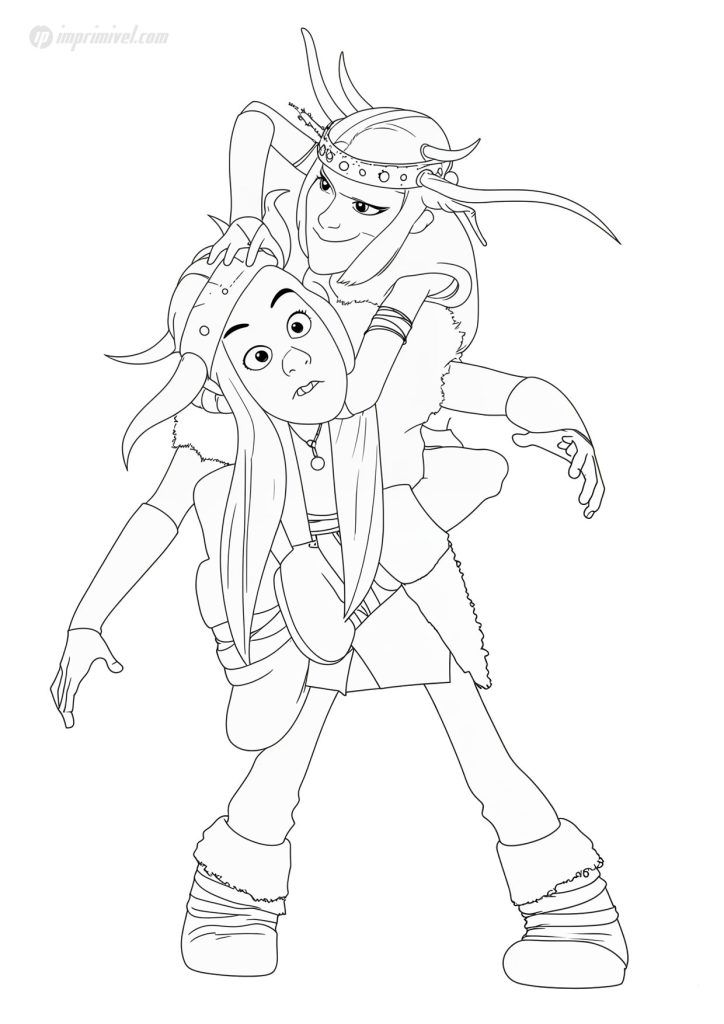
Ruffnut and Tuffnut
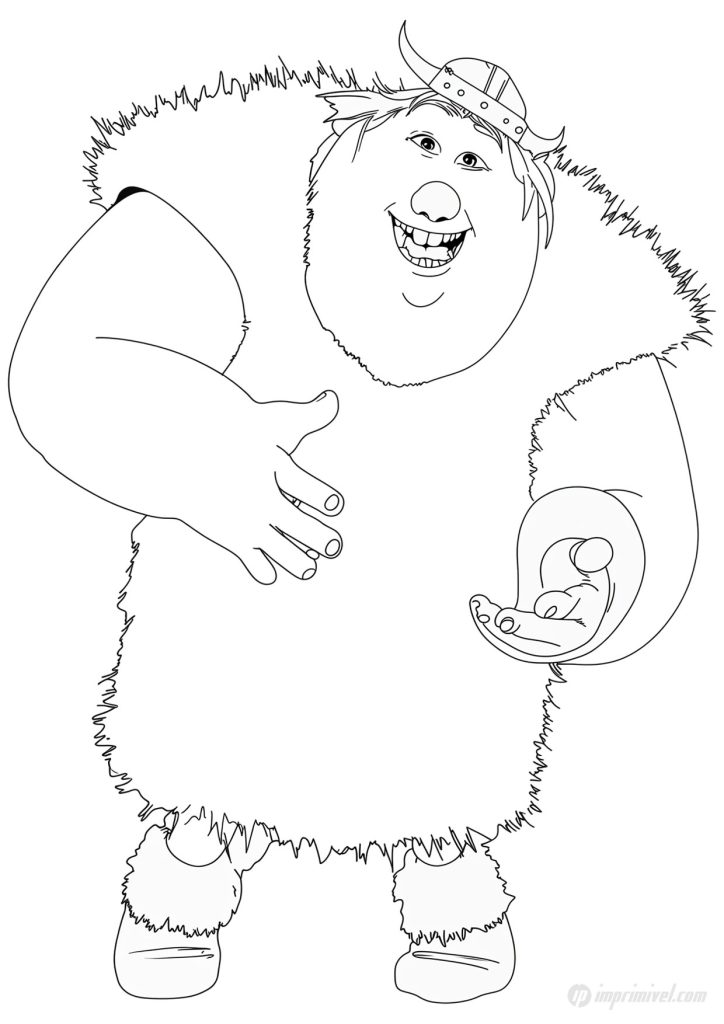
Fishlegs
Barf and Belch
Stormfly
Meatlug
Chief Bogo
Gary De’Snake
Gazelle
Priscilla
Nibbles Maplestick
Officer Clawhauser
Fru Fru
Duke Weaselton
Gideon Grey
Mr Manchas
Muzzled Wolf
Peter Moosebridge
Dr Madge Honey Badger