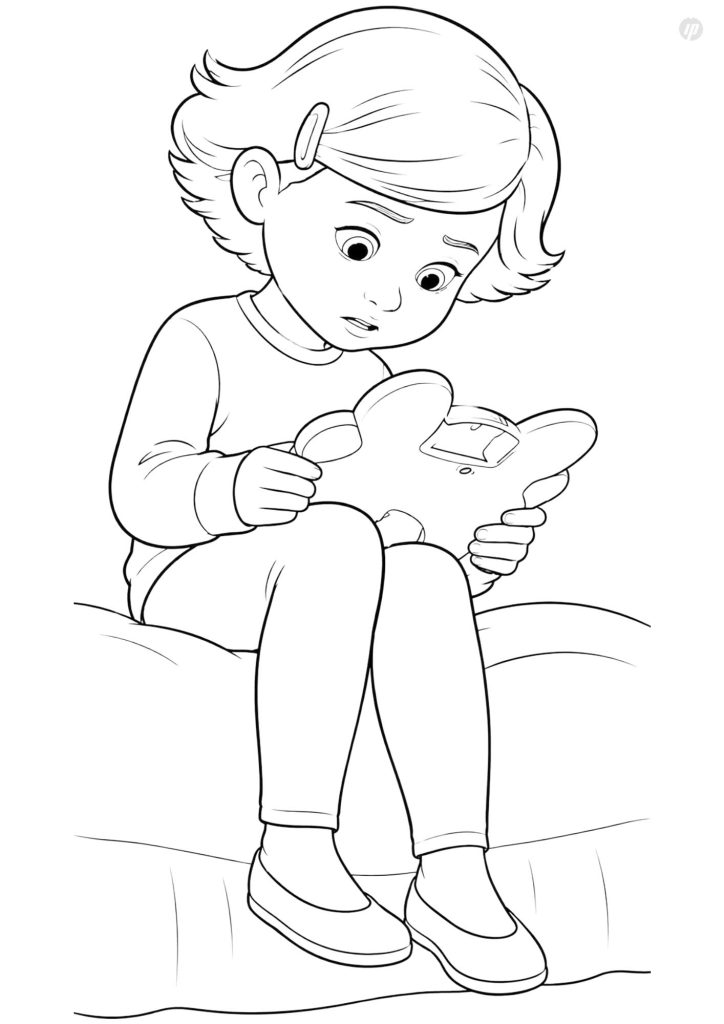
Give Bonnie a pile of craft supplies and something surprising is bound to happen. A scrap of paper may become a cape, a cardboard box may turn into a spaceship, and an ordinary school project may suddenly have a name, a voice, and a place among the toys. That playful spark makes this Bonnie from Toy Story 5 coloring page a wonderful choice for kids who like to color, draw, and invent stories of their own. Print the picture, pick a favorite art tool, and decide what Bonnie has dreamed up today.
Bonnie is now eight years old in Toy Story 5. She is still the sweet, shy kid who cares deeply about her toys, but growing up has started to feel a little complicated. Other children around her are spending more time with screens, and Bonnie begins wondering whether she is getting too old for the kind of play she has always loved. Then Lilypad arrives. This smart tablet, shaped like a cheerful green frog, offers games, conversations, and a completely different way to spend time. For Buzz Lightyear, Jessie, Forky, and the rest of the toy room, that change is impossible to ignore.
Before adding anything to the background, kids can spend a moment looking at Bonnie herself. Her short brown hair does not need to be filled with one flat shade. Try light brown along the edges, a deeper brown underneath, and a few soft strokes near the bangs. Leaving tiny white spaces between some pencil marks can create a bit of shine. A sharpened colored pencil works well around her eyes and face, while a crayon can quickly cover larger parts of her outfit.
There is no rule that says Bonnie must wear the same colors every time. A child could choose familiar pinks, blues, and yellows or build a brand-new outfit around one favorite color. Her shirt might have tiny clouds, planets, music notes, frogs, or cowboy hats. Her shoes could be bright purple with orange dots. A cardigan can become striped, spotted, or covered with little patches. These personal touches help the picture feel less like a copy and more like a new moment from Bonnie’s world.
The space around her can become part of the activity too. Draw a craft table with crayons rolling across the top. Add safety scissors, sheets of construction paper, stickers, pipe cleaners, and a cup filled with markers. A backpack could sit near her feet with a folded drawing peeking out. None of those additions needs to match a scene from the movie. They can simply show what a creative afternoon might look like when Bonnie is busy making something.
Forky is a perfect character to include because Bonnie created him during kindergarten in Toy Story 4. What began as a classroom craft became one of the most important toys in her life. Kids can draw Forky beside her, waving one bendy arm or leaning out of the backpack. His mismatched features are especially fun for young artists because they do not require perfect lines. A wiggly eyebrow, uneven feet, or a crooked smile can make the drawing even more playful.
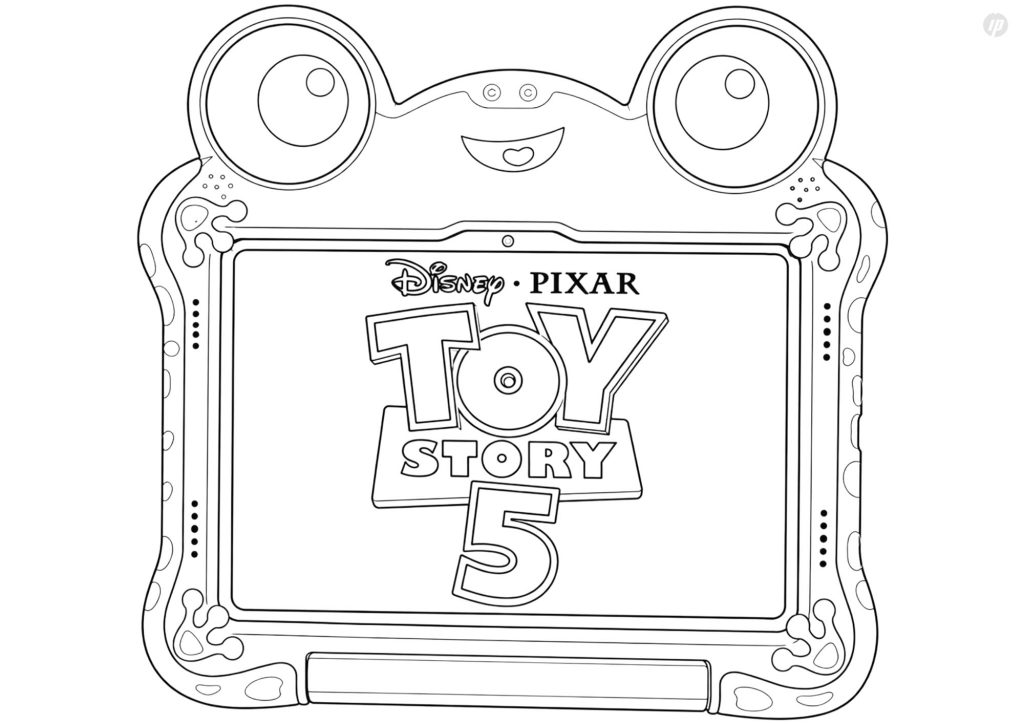
Another version of the page could feature Lilypad. Start with a rounded frog-shaped outline beside Bonnie, then add a screen filled with simple icons. One icon might show a dance shoe, another might look like a speech bubble, and another could be a tiny toy chest. Green is the obvious choice for a frog-themed tablet, but children can invent a blue, pink, gold, or rainbow Lilypad instead. The screen can be colored lightly with pencils so the symbols remain easy to see.
That contrast between toys and technology gives families a natural storytelling idea. Ask the child what Bonnie might choose to do after the moment shown in the picture. Perhaps she sets the tablet down and builds a cardboard town for Jessie. Maybe Buzz needs help designing a landing pad from paper plates. Forky might request a new friend made from safe craft materials. Lilypad could even join the game by displaying a map or playing music for a toy-room dance party. These are made-up possibilities, which means children can take the story in any direction they like.
A printed coloring page also works well for a quiet classroom activity. One group can color Bonnie, while other children design toys that she might create. Each new toy can have a name, a favorite activity, and one funny detail. A bottle-cap robot might love gardening. A paper-bag puppy might be afraid of socks. A cardboard dinosaur could speak in whispers. When everyone finishes, the class can place the pictures together and build a shared Toy Story-inspired display.
For a simple writing exercise, children can add three or four sentences underneath the picture. They might explain what Bonnie is making, which toy is helping her, and what happens when the project is complete. Younger children can tell the story aloud while an adult writes it down. Older kids can create a short comic by printing the page twice and changing Bonnie’s expression, colors, or surroundings in the second picture.
Different art supplies create different results. Crayons are easy to hold and work nicely on larger areas. Colored pencils are useful for hair, eyes, patterns, and smaller clothing details. Washable markers make bold colors, though placing an extra sheet of paper underneath is a smart way to protect the table. Watercolor paint can give the page a softer look when the paper is thick enough to handle it. Adults should choose materials that match the child’s age and supervise any activity involving scissors or glue.
Children who enjoy experimenting can print two copies of the Bonnie coloring page. The first can use colors inspired by her appearance in the Toy Story movies. The second can become a completely original design. Bonnie might wear a space explorer outfit to play with Buzz, a cowgirl costume for an adventure with Jessie, or a dinosaur sweatshirt for a game with Rex and Trixie. Comparing the two finished pictures can show how much a color palette changes the feeling of the same drawing.
Small details can make the scene feel busy and lived-in. A toy block can hide beneath a chair. A paper star might be taped to the wall. A crayon could rest behind Bonnie’s ear. Kids could draw a tiny trail of stickers leading toward a mystery box or place familiar toy-room friends in unexpected spots. Hamm might peek from behind the backpack, Rex could squeeze under the table, and Forky might stand proudly beside Bonnie’s latest craft.
Bonnie’s place in the Toy Story series began when Andy trusted her with the toys that had shared his childhood. Since then, her room has become a home for cowgirls, space rangers, dinosaurs, handmade characters, and plenty of lively playtime. Toy Story 5 finds her at a new age, facing the kinds of changes that can make childhood feel confusing. She loves her toys, yet the world around her keeps offering newer and shinier ways to play.
That makes this picture especially meaningful. Coloring Bonnie is not limited to choosing the right brown for her hair or the right shade for her clothes. The page gives kids room to show what play looks like to them. Some may fill the scene with handmade creatures. Others may draw a glowing screen beside a crowded toy box. A few might invent a game where every character, including Lilypad, gets a role.
Once the picture is finished, hang it near a craft area, place it in a school folder, or use it as the first page of a homemade storybook. The next page could show Bonnie’s new creation. The page after that could reveal what happens when the toys meet it. With a printed drawing, a handful of colors, and one curious idea, Bonnie’s next playtime can begin right on the paper.
At just 5 years old, Gustavo turned a simple request to print coloring pages into an idea that now inspires children in more than 150 countries.
That is how Imprimivel.com was born, a project created alongside his father, Jean Bernardo, to spread color, imagination, and joy across 10 different languages, reaching a potential audience of more than 800 million children around the world.
Today, Gustavo is responsible for curating the content, enthusiastically choosing the themes and characters that will make other children smile, always under the editorial guidance of his father, who brings his son’s ideas to life.
Other similar drawings
Lilypad

Woody
Buzz Lightyear
Jessie
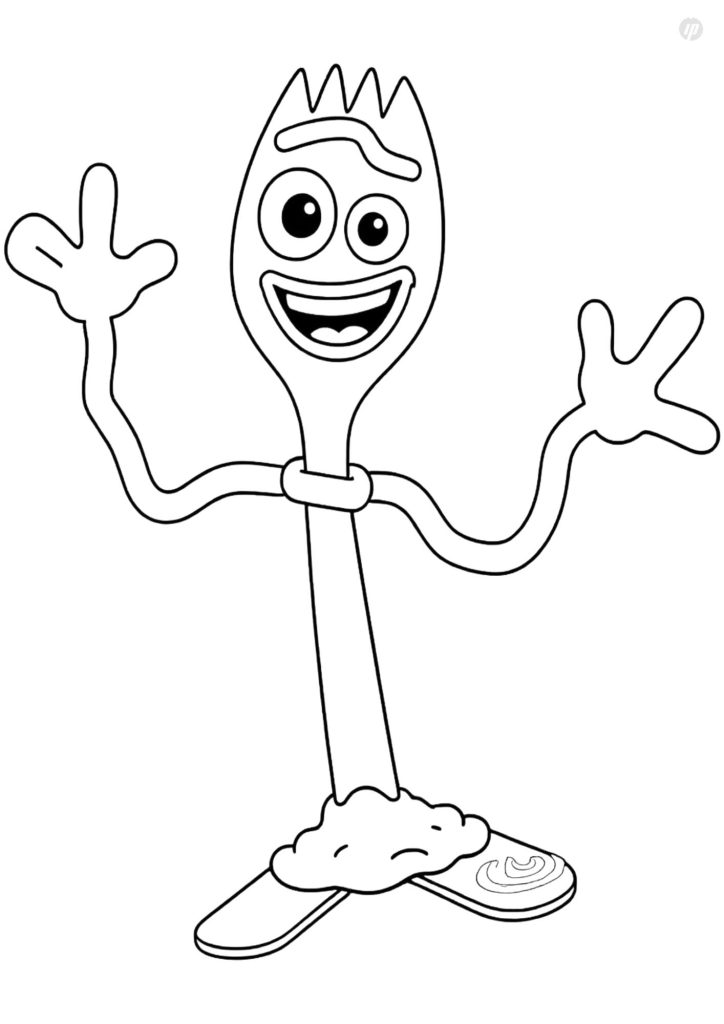
Forky
Smarty Pants
Hamm
Slinky
Rex
Combat Carl
Hiccup
Snotlout
Gobber
Tuffnut
Meatlug
Hookfang
Chief Bogo
Judy Hopps
Gazelle
Sloth
Nibbles Maplestick
Fru Fru
Gideon Grey
Nangi
Officer McHorn
Dr Madge Honey Badger
Mouse Foreman
Jaguar
Pronk Oryx-Antlerson