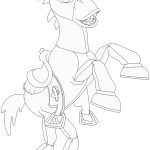

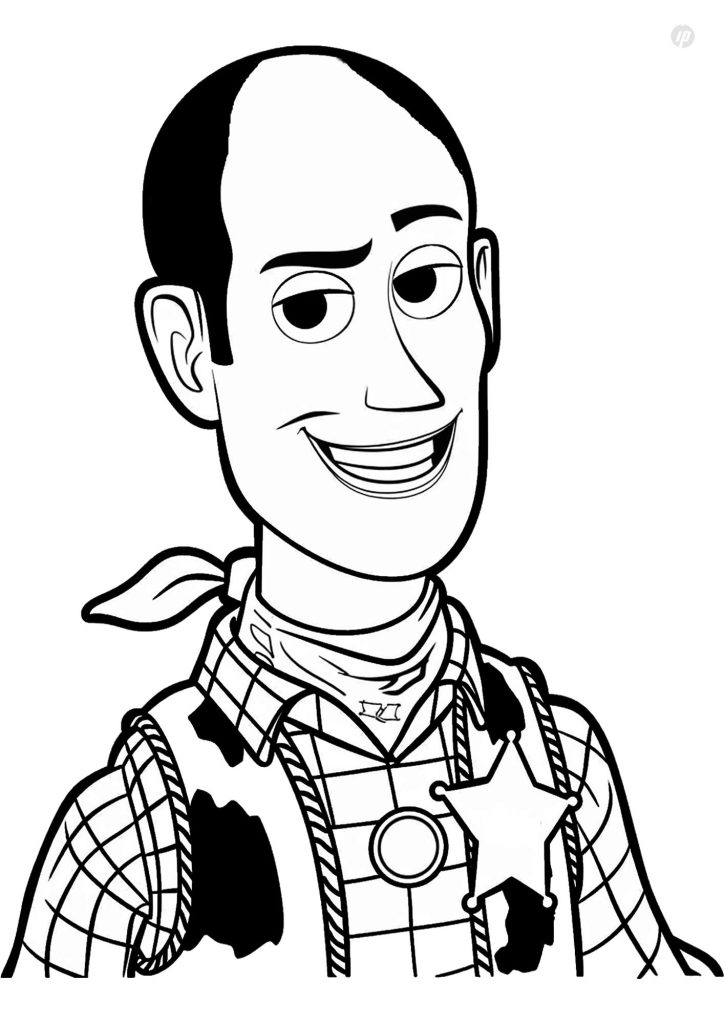
Wait a second. Is Woody starting to go bald?
With no cowboy hat covering his head in this printable Toy Story 5 coloring page, Woody’s hairline is much easier to see. The drawing may leave kids and grown-ups wondering whether the sheriff has always had that much forehead or whether his hair is looking a little thinner in the new adventure. It is a funny detail to debate while coloring, but it should be treated as a playful observation about this particular picture, not as an official storyline about Woody losing his hair.
That question also gives children an unusual place to begin. Instead of starting with the largest part of his outfit, they can look closely at the curved hairline, decide where the hair ends, and choose how much brown to add. Some may carefully follow every strand. Others may give Woody thicker hair, a new hairstyle, a few gray hairs, or an almost completely bald head. A second printed copy makes it easy to compare two versions without erasing the first one.
Woody is one of the most recognizable toys in Disney and Pixar’s Toy Story movies. He is a pull-string cowboy who once belonged to Andy and spent years trying to keep the other toys safe and together. His friendship with Buzz Lightyear did not begin smoothly, but the two eventually became close partners who rely on each other when playtime turns into a much bigger adventure.
In Toy Story 5, Woody receives a call that brings him back to Bonnie’s room. He joins Buzz in the search for Jessie and Bullseye, who have become separated from the group. The reunion puts Woody back beside several longtime friends while the toys face a problem that feels very different from runaway moving trucks, daycare rooms, or carnival prizes.
Bonnie is now 8 years old, and a frog-shaped smart tablet named Lilypad has become an important part of her daily life. Lilypad does not look or feel like the toys Woody understands. She has a smooth screen, digital features, and her own ideas about how Bonnie can connect with other children. The story places a handmade-looking cowboy beside modern technology and asks what happens when a child’s attention begins to shift.
That contrast can inspire the background of the coloring page. Behind Woody, kids might draw a toy shelf filled with blocks, dolls, puzzles, and stuffed animals. On the other side, they can add Lilypad with her green frog shape and large eyes. The scene does not need to copy a moment from the movie. It can be a brand-new playroom where old-fashioned toys and digital devices are trying to figure each other out.
Woody’s uncovered head can become the center of that imaginary scene. Perhaps Lilypad is taking a picture of his new hairstyle. Maybe Buzz is trying to decide whether space rangers ever lose their hair. Jessie might be holding a tiny comb while Woody looks surprised. These are child-created situations rather than official movie events, which gives kids room to be silly without confusing the activity with the actual plot.
The hair itself creates a coloring challenge that is different from the straight lines in Woody’s shirt. Hair usually looks better when several brown shades are used instead of one flat block of color. A light brown base can cover most of the area, while a darker pencil adds a few short strokes near the edges. Children do not need to draw dozens of individual hairs. Three or four darker sections may be enough to make the shape stand out.
Kids who want to lean into the balding joke can leave a little more of the head uncolored and use a skin-tone pencil to extend the forehead. Another version could give Woody a thick, dramatic hairstyle that looks completely different from his usual appearance. A third copy might show a few silver strands, as though the sheriff has been through so many toy rescues that some of his hair has turned gray.
The rest of Woody’s design offers a completely different set of textures. His yellow shirt has a plaid pattern made from crossing lines. Younger children can color over the pattern and redraw a few lines afterward. Older kids may prefer to keep every crossing visible, working slowly around the small spaces near the shoulders, sleeves, and buttons.
Woody’s cow-print vest is more forgiving. The spots do not need to match or follow a strict pattern, so children can fill them in without worrying about symmetry. Black and white create the familiar look, but a second version could use green, blue, orange, or purple spots. Those colors would be part of the child’s redesign rather than an official costume from the movie.
His red bandana adds a bright section near the face and helps separate the shirt from the neck. Blue works well for the denim-style pants, while brown shades can be used for the belt, holster, and boots. The sheriff badge and belt buckle can be yellow, gold, or even silver if a child wants them to shine differently.
Because Woody is shown without his hat, children can pay more attention to features that are often partly covered. The shape of his forehead, the direction of his hair, and the top of his ears are easier to notice. This makes the picture useful for a simple observation game. Before coloring, a parent or teacher can ask what looks different about Woody when his head is uncovered.
Children around age six may enjoy starting with the pants, shirt, vest, and larger sections of hair. They do not need to preserve every plaid line or stay perfectly inside each small space. The activity can focus on naming colors, recognizing parts of the outfit, and making confident marks across the page.
Kids around age nine or ten can take on the smaller details. They might use two shades in the hair, preserve the plaid pattern, outline the points of the badge, and separate the belt from the holster. They can also study the hairline and decide whether the drawing really makes Woody look balder or whether the missing hat simply changes the way his head appears.
That question can become a classroom poll. After everyone finishes coloring, the teacher can ask, “Is Woody going bald, or are we just seeing his whole head for once?” Students can vote, explain what they noticed, and compare how each person colored the hair. There is no official answer required for the activity. The purpose is to observe the drawing and support an opinion with visual clues.
A speech bubble can add another layer to the joke. Woody might say, “Has anyone seen my comb?” or “Buzz, stop staring at my hairline.” A child who prefers a kinder approach could write, “A sheriff looks great with any hairstyle.” The words should be understood as dialogue invented for the coloring page, not lines taken from the film.
The hair debate can also lead to a quick drawing exercise on another sheet of paper. Children can sketch three small versions of Woody’s head. One can show his familiar hairstyle, another can have very thick hair, and the third can be nearly bald. Comparing the three helps kids see how a small design change can make a familiar character look different without changing his face or clothing.
A second playful activity is called “Design Woody’s New Look.” Kids can add sideburns, curls, a buzz cut, a single loose strand, or a neat row of gray hairs. They might draw a bandana around his head or give him a hairstyle inspired by another cowboy character they invent. The new look belongs only to their artwork and does not replace Woody’s official design.
The story of Toy Story 5 offers another busy drawing idea. Fifty Hi-Tech Edition Buzz Lightyear figures arrive unexpectedly on a beach, stuck in space ranger mode and trying to return to Star Command. A child can add several tiny Buzz figures behind Woody, each looking in a different direction. Woody’s expression could suggest that he has just realized how many space rangers he is expected to handle.
Those Buzz figures should not be described as stuck in toy mode. The joke is that they behave like real space rangers because they are trapped in that setting and do not fully understand their situation as toys. For the coloring page, each small Buzz can have a slightly different button color, pose, or facial expression, turning the background into a search-and-find game.
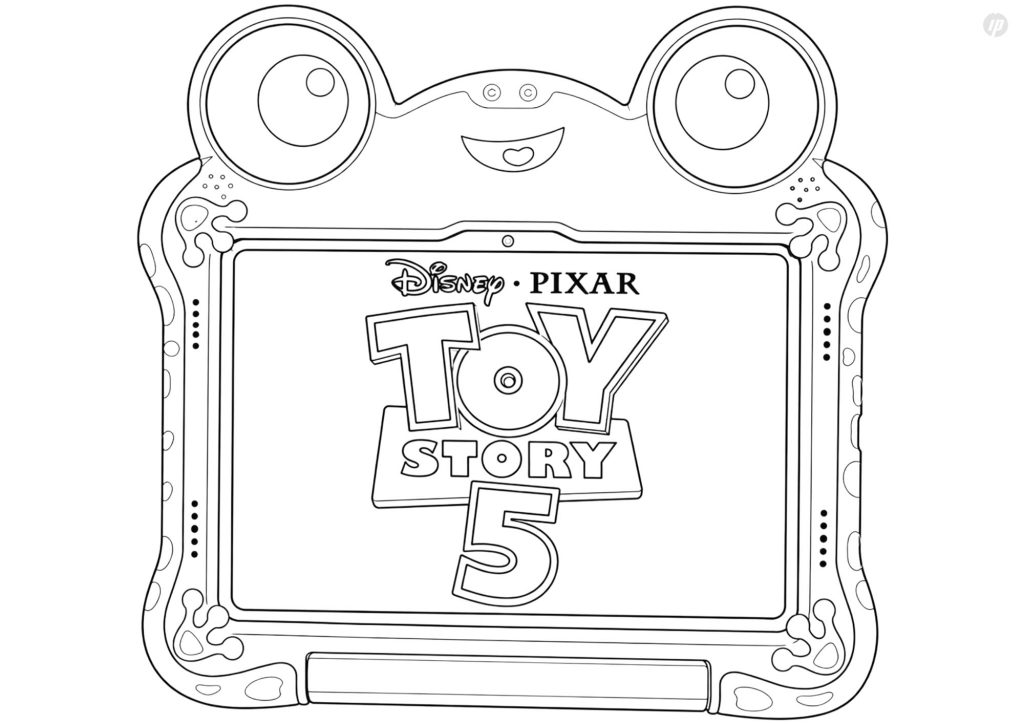
Lilypad can appear somewhere else in the scene with a message on her screen. Kids might draw a frog icon, a map, a play button, or a picture of Bonnie. Since Lilypad is shaped like a frog, her outline can include rounded eyes and a green body instead of looking like an ordinary rectangular tablet.
Parents can use the drawing to begin a conversation about how children play with different things. The discussion does not need to claim that toys are good and screens are bad. A better question is, “What can Woody teach Lilypad, and what can Lilypad teach Woody?” One child might say that Woody teaches pretend play, while Lilypad helps the toys find music, pictures, or information.
That answer can become another drawing. Woody might build a pretend town from cardboard blocks while Lilypad displays a picture of a desert sunset. Buzz could use the screen as a map, Jessie could plan a game, and Bonnie could combine digital and hands-on play. Every part of that scene would come from the child’s imagination.
The bottom of Woody’s boot offers a quieter detail. His right boot is known for carrying Andy’s name. If the sole appears in the picture, children can carefully color around the letters. When it is not visible, they can draw a boot in the corner and decide what name belongs underneath.
Writing “ANDY” keeps the connection to Woody’s original owner. Writing the child’s own name creates a pretend version of the story. Another option is to invent a new toy owner and write that character’s name, then explain how Woody arrived in the new playroom.
Regular printer paper works well with crayons and colored pencils. Markers can create stronger colors, but an extra sheet underneath helps protect the table. Children who want to shade the hair may find colored pencils easier because they can press lightly for one brown and harder for a darker section.
A small pencil sharpener can help with the plaid lines, badge points, hair strands, and letters on the boot. The larger parts of the shirt and pants do not need a sharp point, so crayons may be faster and more comfortable there. Switching tools according to the size of each area makes the activity feel less repetitive.
When the page is nearly finished, kids can look back at Woody’s face and decide whether the original question still holds. Does he really look like he is going bald, or did seeing him without his usual head covering simply make his forehead more noticeable? The answer may change depending on how the hair was colored.
That is what makes this particular Woody coloring page different. The plaid shirt and cow-print vest are familiar, but the uncovered head gives children something unexpected to notice, debate, and redesign. One child may carefully preserve the original hairline, another may give Woody a full new hairstyle, and someone else may decide that the sheriff is ready to be proudly bald.
Whichever version appears on the finished page, the visual joke should stay playful rather than mean. Woody’s hair does not change the traits that make him recognizable: his loyalty, his friendship with Buzz, his sheriff badge, and his willingness to return when the other toys need help. The final detail belongs to the artist holding the crayon: a few extra strands, a shiny bald spot, or a completely new look for Woody’s next pretend mission.
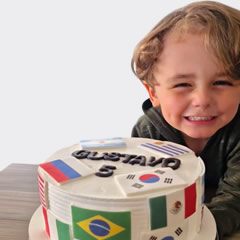
At just 5 years old, Gustavo turned a simple request to print coloring pages into an idea that now inspires children in more than 150 countries.
That is how Imprimivel.com was born, a project created alongside his father, Jean Bernardo, to spread color, imagination, and joy across 10 different languages, reaching a potential audience of more than 800 million children around the world.
Today, Gustavo is responsible for curating the content, enthusiastically choosing the themes and characters that will make other children smile, always under the editorial guidance of his father, who brings his son’s ideas to life.
Other similar drawings
Lilypad
Buzz Lightyear
Jessie
Forky
Boonie
Smarty Pants
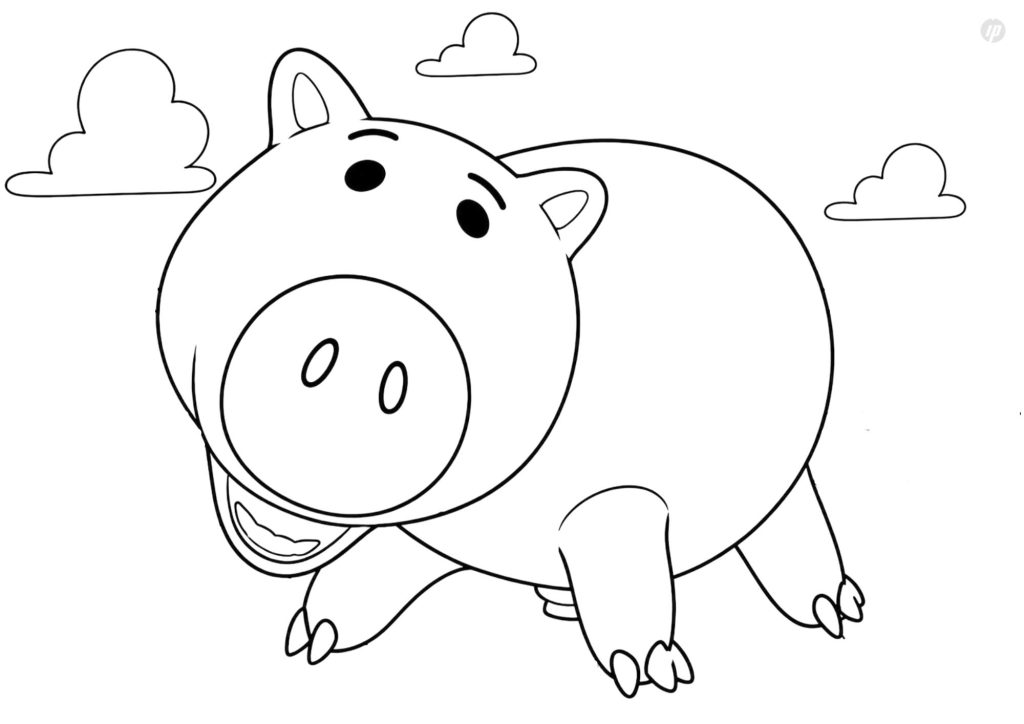
Hamm
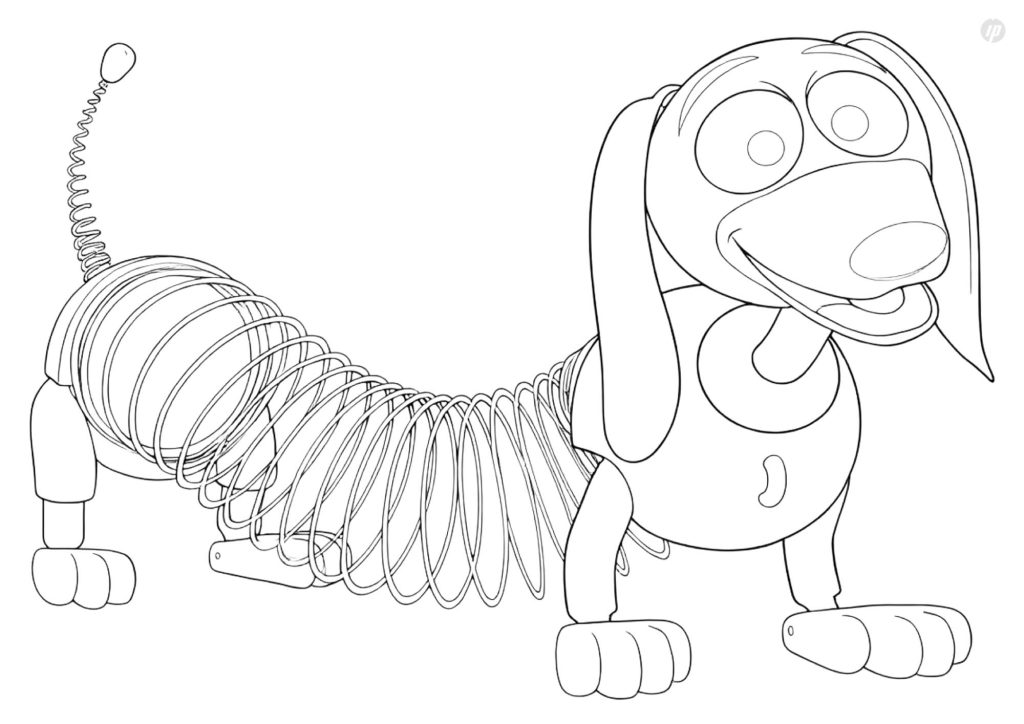
Slinky
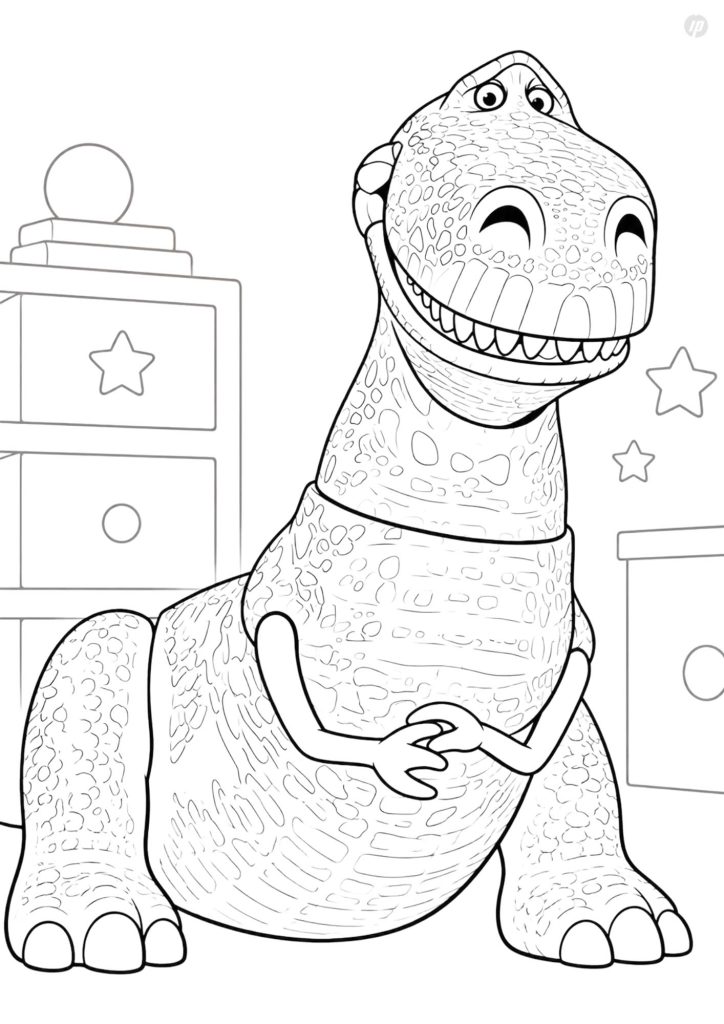
Rex
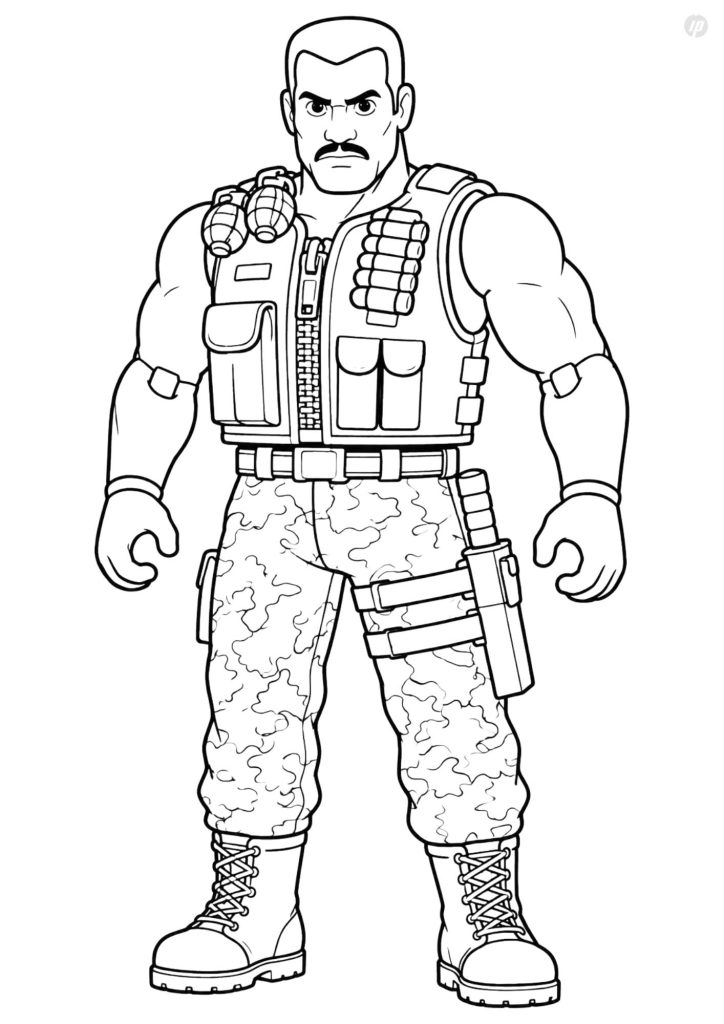
Combat Carl
Hiccup
Snotlout
Gobber
Tuffnut
Meatlug
Hookfang
Chief Bogo
Judy Hopps
Gazelle
Sloth
Nibbles Maplestick
Fru Fru
Gideon Grey
Nangi
Officer McHorn
Dr Madge Honey Badger
Mouse Foreman
Jaguar
Pronk Oryx-Antlerson