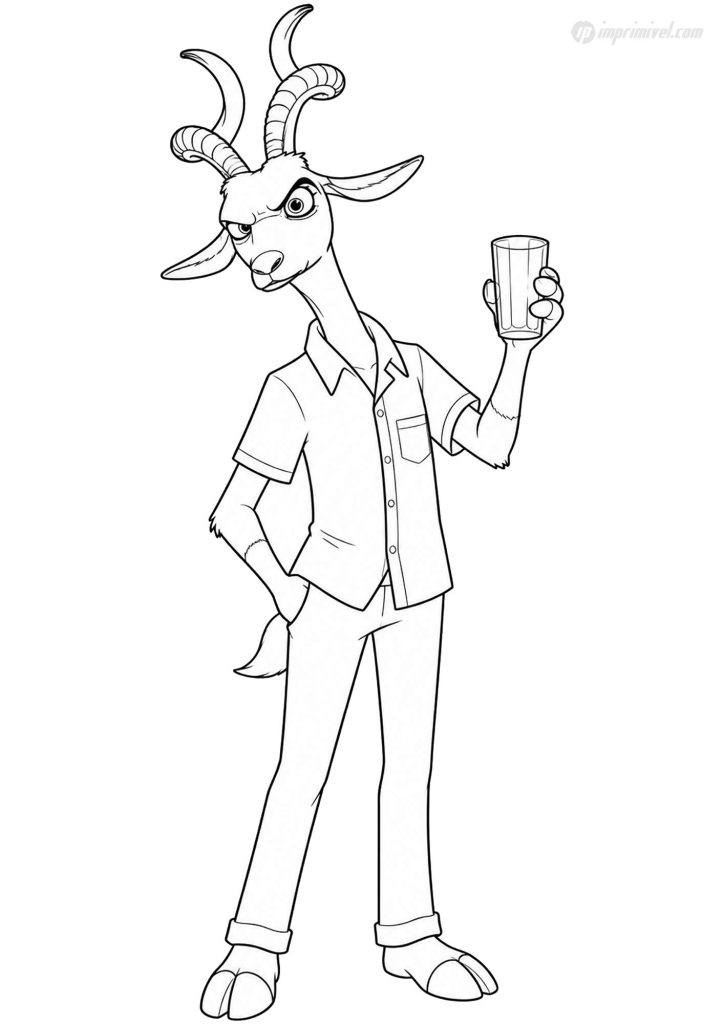

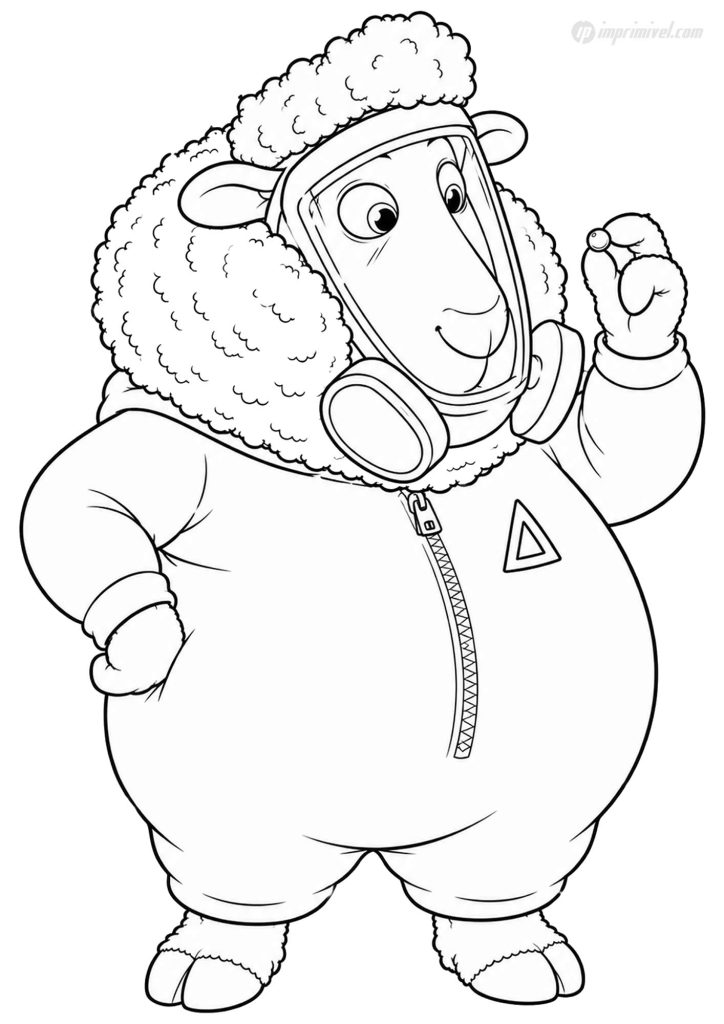
A lot of kids watching Zootopia don’t notice Doug Ramses the first time he appears. Then suddenly, during a rewatch, somebody points at the screen and goes, “Wait… that creepy ram with the coffee is actually hilarious.” And honestly, that’s exactly what makes Doug so memorable. While everything around him turns into total chaos, he somehow stays weirdly calm, like a grumpy scientist who cares more about saving his latte than escaping a runaway subway lab. Kids pick up on that instantly. He doesn’t act like a loud cartoon villain. He acts like the kind of character who secretly has a hundred strange inventions hidden underground somewhere beneath Zootopia. The second children realize how unusual he is, they usually want to print a Doug Ramses coloring page and start making up wild stories about what he’s building down there.
Doug has the perfect look for imaginative coloring activities because he already feels like he stepped out of a giant underground mystery. His fluffy wool, serious face, giant muzzle, and bright safety gear make him stand out immediately from the rest of the animals in Zootopia. Kids love characters that look a little strange because they can turn them into almost anything. One child might color him like the movie version with muted tones and dark subway tunnels. Another kid might decide Doug secretly owns a glowing candy laboratory hidden beneath the city where every machine shoots marshmallows into the air. That freedom is what makes the activity feel exciting instead of repetitive.
The funniest thing about Doug Ramses is how calm he stays while doing completely ridiculous things. Most villains in animated movies scream, panic, or act over the top. Doug barely reacts at all. He just keeps working with his weird chemicals, checking tubes, adjusting machines, and talking like everything happening around him is completely normal. Kids think that kind of personality is hilarious. A lot of them end up drawing giant bubbling science labs around him while inventing stories about exploding soda experiments or glowing slime monsters escaping from underground train stations.
A ram coloring page already gives children a lot to play with visually because wool, horns, textures, and big animal features are naturally fun to color. Doug makes that even better because he mixes the look of a tough ram with the vibe of a secret inventor hiding beneath the city. Some kids color his wool realistically. Others go completely wild with neon green fur, orange subway cars, purple smoke, and giant glowing laboratory tanks. And honestly, the crazier the drawing gets, the more fun kids usually have.
It’s really common for the activity to grow way bigger than expected. A child might sit down planning to color quietly for ten minutes, then suddenly the whole table fills up with markers, extra paper, stickers, and random sketches of secret tunnels. Doug almost never stays alone on the page. Kids start adding giant maps, hidden train tracks, weird gadgets, and mysterious underground doors because the world around him already feels packed with secrets.
Sometimes the stories children invent while coloring are even better than the artwork itself. One kid decides Doug invented rocket powered subway trains. Another says he built a machine that turns broccoli into cookies. Somebody else explains that his underground lab has a giant button labeled “DO NOT PRESS,” which obviously gets pressed immediately. The more kids color and draw, the bigger the imaginary world becomes.
Doug also works really well for kids who enjoy slightly mischievous characters. He isn’t scary in the way horror villains are scary. He’s more like the kind of sneaky movie character who makes children curious. Kids love wondering what he’s doing, what he’s hiding, or what strange invention he’ll pull out next. That curiosity naturally keeps them engaged longer while they color.
One thing that makes ram drawings especially fun is the amount of texture children can experiment with. Doug’s fluffy wool invites kids to use different shading styles, patterns, and color combinations. Some carefully fill every section with crayons. Others scribble giant colorful swirls because they think a secret subway scientist should look completely chaotic. Both approaches end up looking great because Doug’s design leaves plenty of room for creativity.
A lot of kids also start creating action scenes around him. Suddenly the subway lab is racing through underground tunnels. Judy Hopps and Nick Wilde are chasing him through giant stations. Weird chemical bubbles are flying through the air. Tiny cartoon explosions appear everywhere. The original coloring page turns into an entire movie scene imagined by the child.
That’s one reason these kinds of printable activities work so well at home. Kids don’t feel like they’re doing something structured or educational. It feels like play. They get to build stories while coloring instead of just filling spaces with random colors. And when a character sparks imagination this naturally, children stay interested much longer without even realizing it.
Doug’s personality also makes him stand out because he reacts differently than most characters in Zootopia. Even during stressful moments, he barely loses his cool. There’s something unexpectedly funny about a ram calmly trying to protect his spilled coffee while his secret subway lab rolls away. Kids love those odd little details because they make the character feel more real and memorable.
Sometimes children even invent completely new versions of Doug while they color. One drawing turns him into a goofy inventor instead of a villain. Another makes him the owner of a giant underground pizza factory. Somebody else decides he secretly builds robots after work. The character adapts really easily to whatever kind of story kids feel like creating that day.
Parents often notice that coloring pages like this create quieter but very imaginative afternoons. Rain outside, markers scattered everywhere, kids fully focused on designing underground laboratories and crazy train systems. Those moments tend to last much longer than expected because children keep adding more details every few minutes. One more tunnel. One more experiment. One more glowing machine.
And because Doug appears inside such a visually interesting part of Zootopia, the setting itself becomes part of the fun. Children don’t just color the ram. They color subway cars, warning signs, giant pipes, underground rooms, glowing chemicals, and all sorts of secret gadgets. It feels more like building a hidden world than simply coloring a single character.
Many kids also start paying way more attention to Doug Ramses during later movie rewatches. Before coloring him, he may have seemed like just another background villain. Afterward, he becomes “that ram I drew with the underground train lab.” That personal connection makes the scenes involving him much more exciting for children.
Some kids even save multiple versions of their drawings because every new coloring session becomes a different adventure. One day Doug is a dangerous scientist. The next day he’s running a secret candy laboratory underneath Zootopia. Then suddenly he’s inventing jet powered subway trains for animal races through the city.
That’s really what makes characters like Doug Ramses so perfect for creative activities. He leaves room for imagination. A simple ram drawing can transform into a giant underground mystery full of inventions, tunnels, experiments, and chaotic adventures while kids color, draw, paint, and build completely new stories inside the world of Zootopia.

At just 5 years old, Gustavo turned a simple request to print coloring pages into an idea that now inspires children in more than 150 countries.
That is how Imprimivel.com was born, a project created alongside his father, Jean Bernardo, to spread color, imagination, and joy across 10 different languages, reaching a potential audience of more than 800 million children around the world.
Today, Gustavo is responsible for curating the content, enthusiastically choosing the themes and characters that will make other children smile, always under the editorial guidance of his father, who brings his son’s ideas to life.
Other similar drawings
Chief Bogo
Nick Wilde
Gary De’Snake
Gazelle
Flash
Priscilla
Nibbles Maplestick
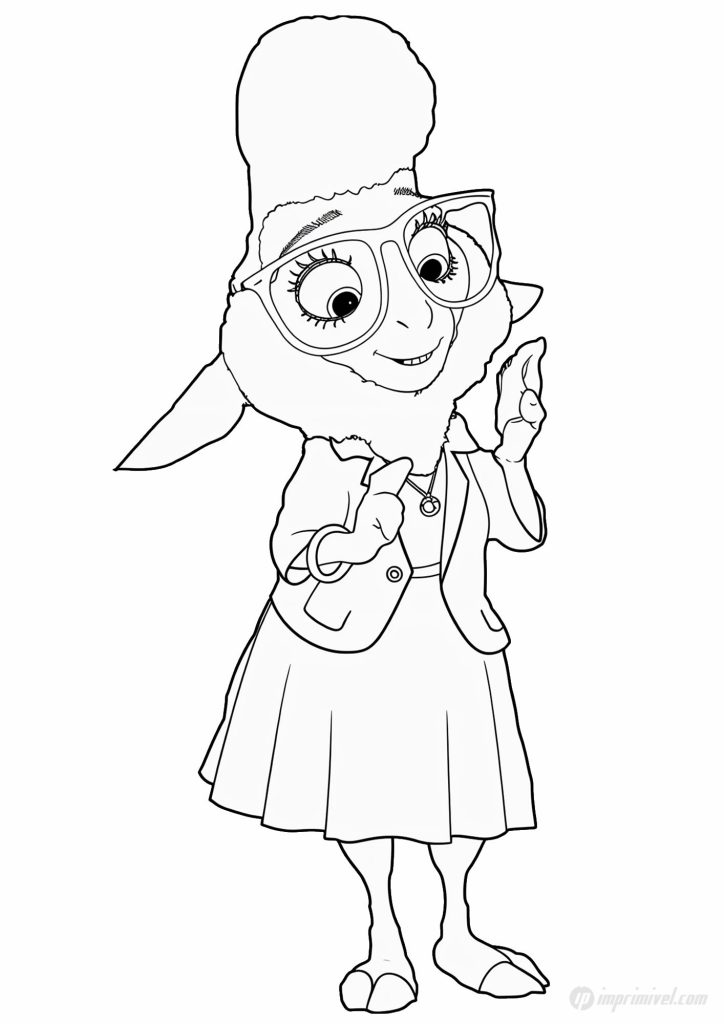
Bellwether
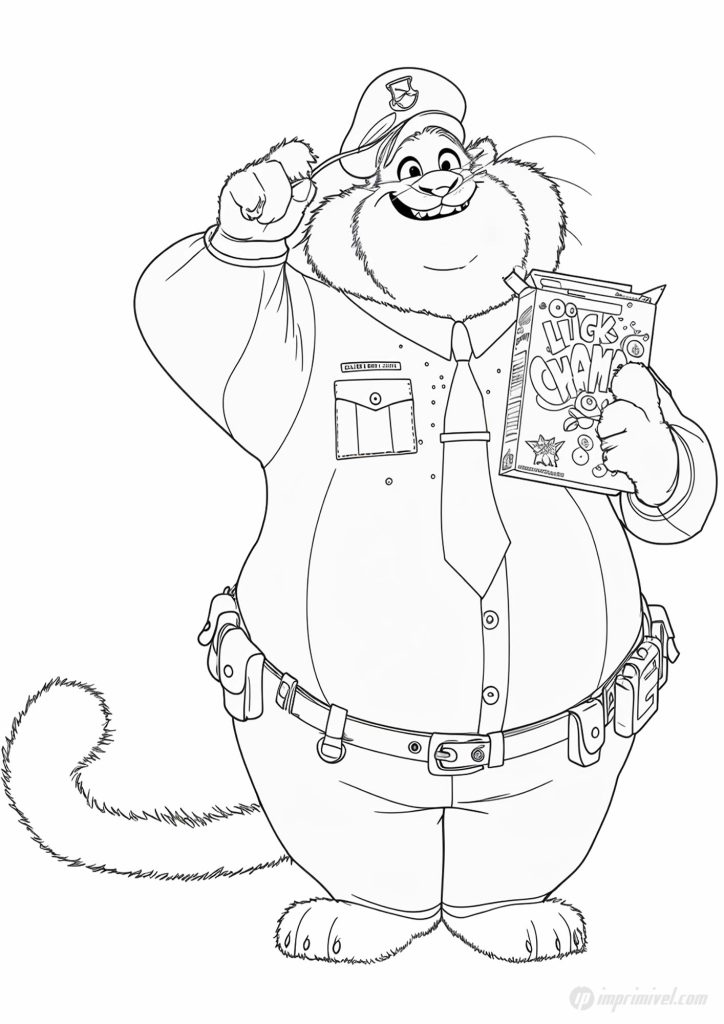
Officer Clawhauser
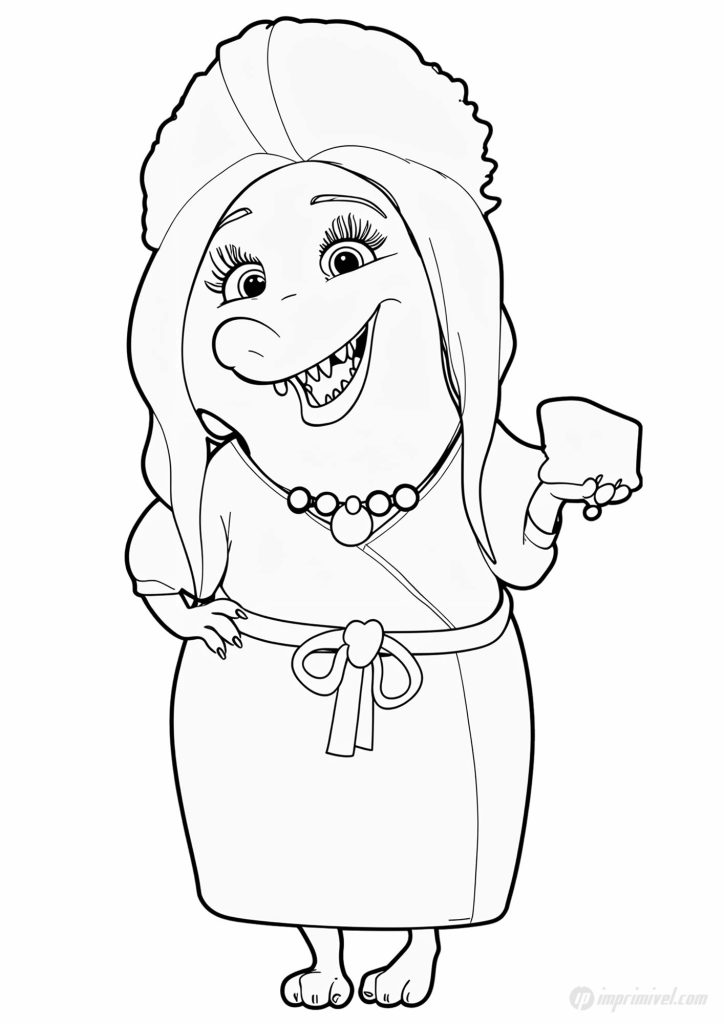
Fru Fru
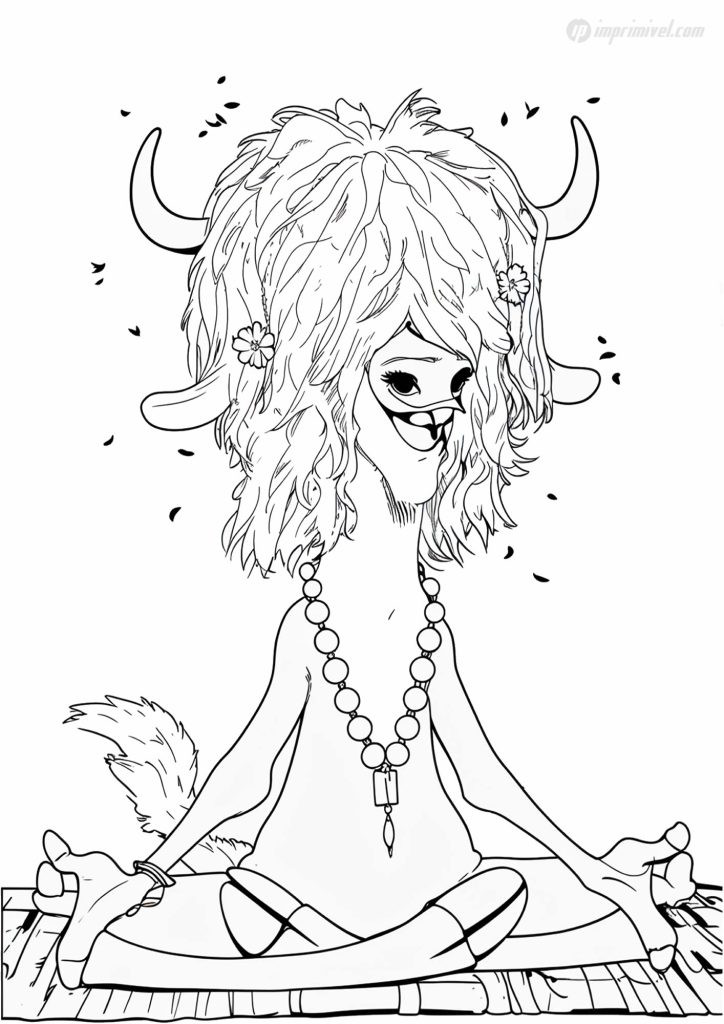
Yax
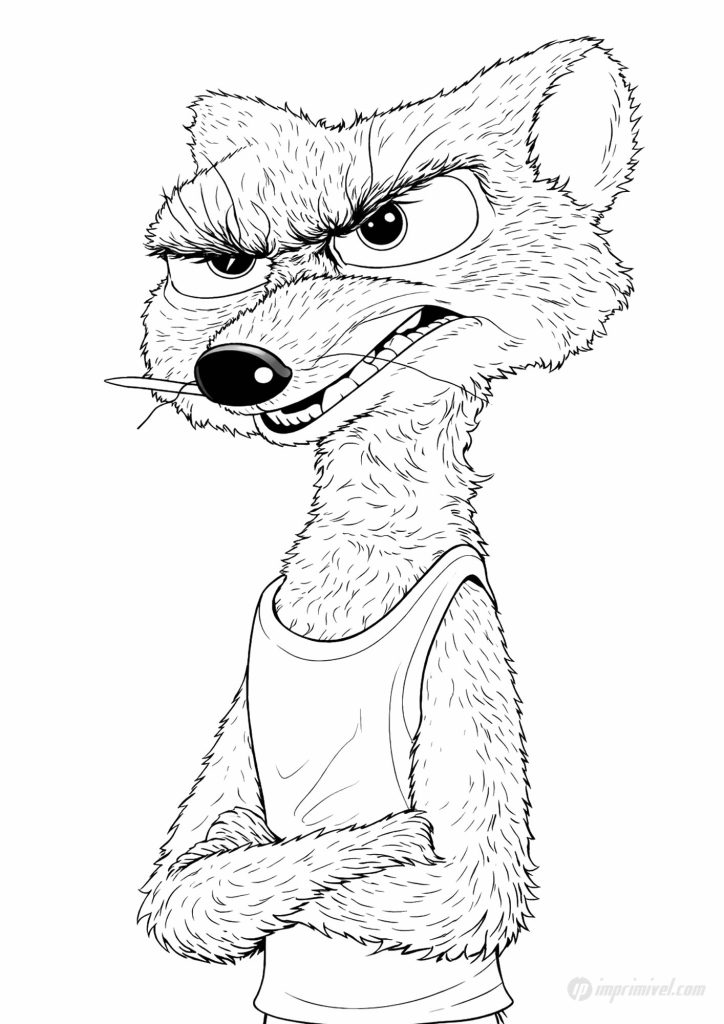
Duke Weaselton
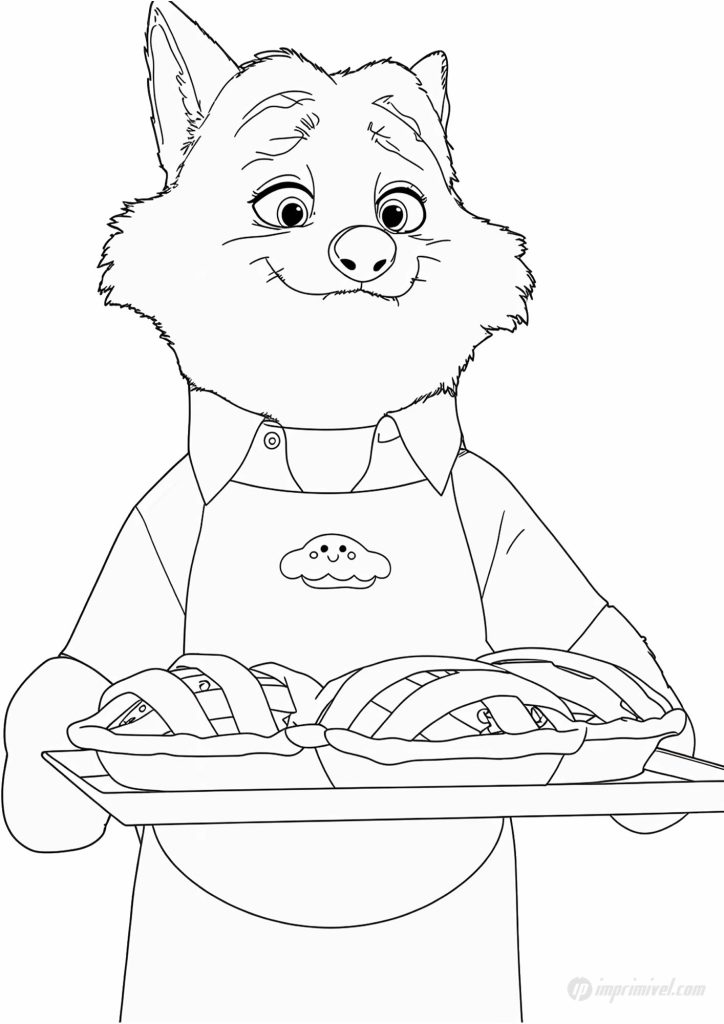
Gideon Grey
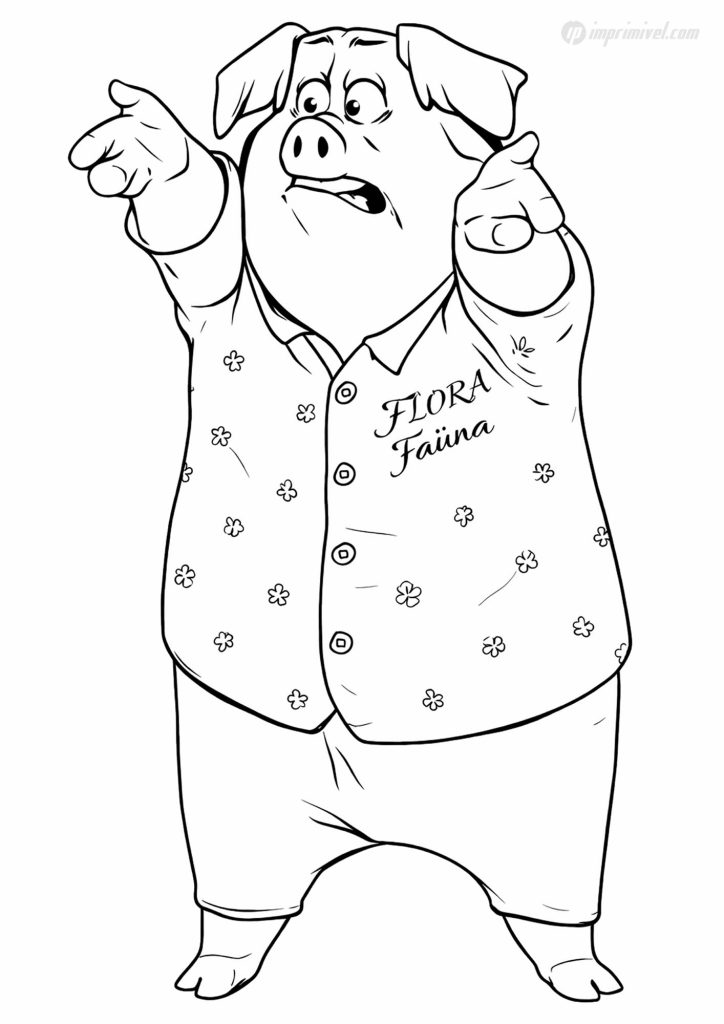
Frantic Pig
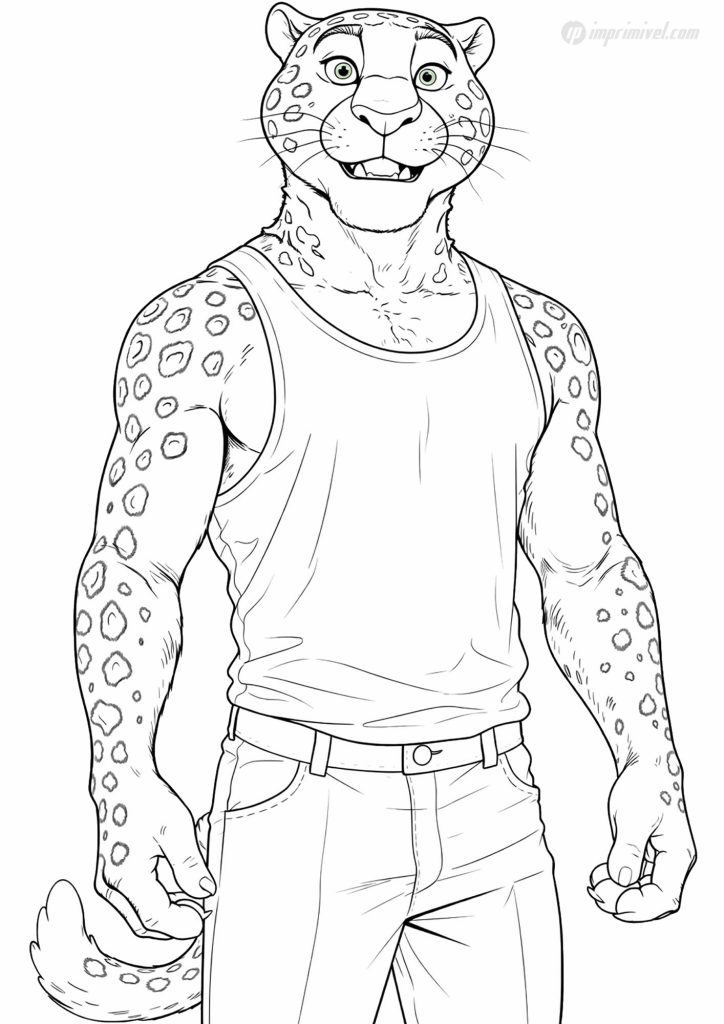
Mr Manchas
Nangi
Officer Higgins
Muzzled Wolf
Officer McHorn
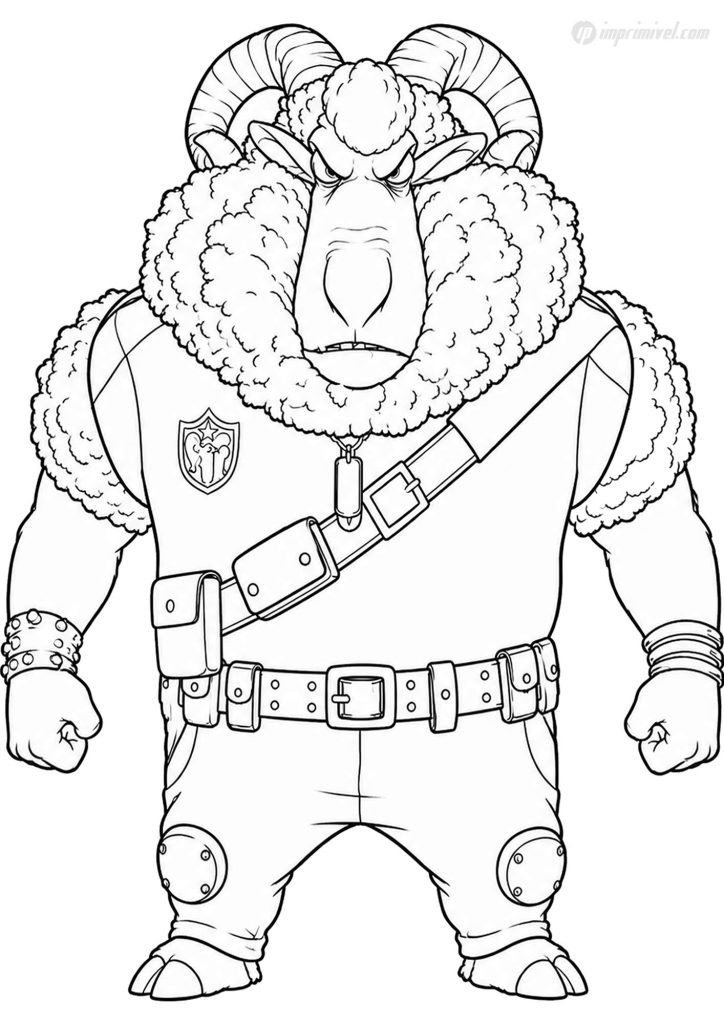
Sheep Thug
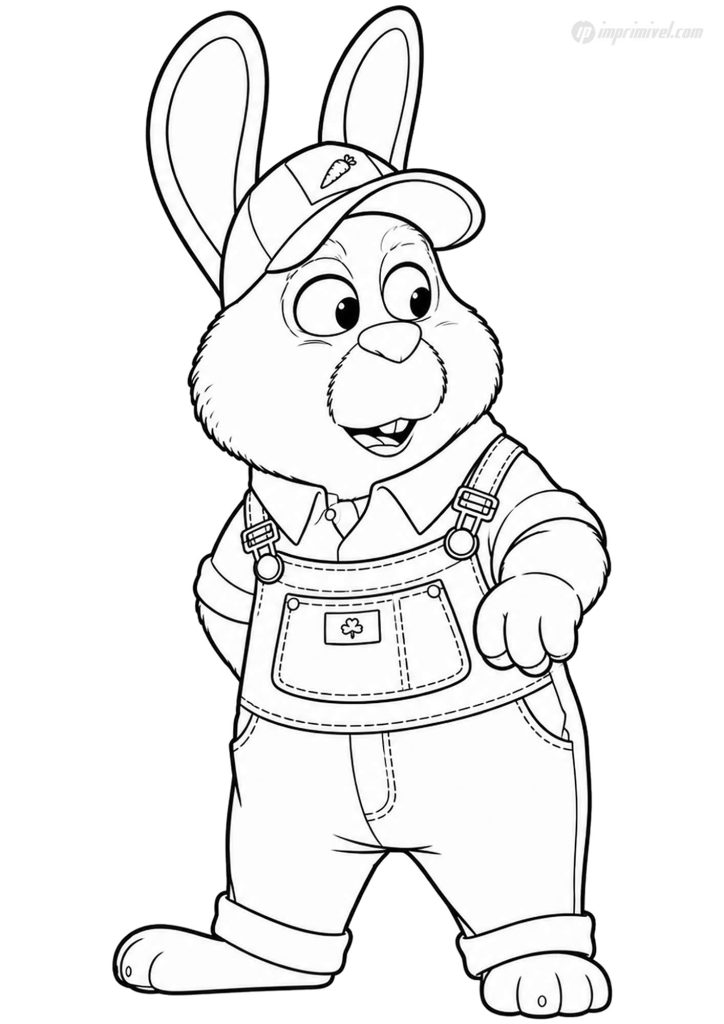
Stu Hopps
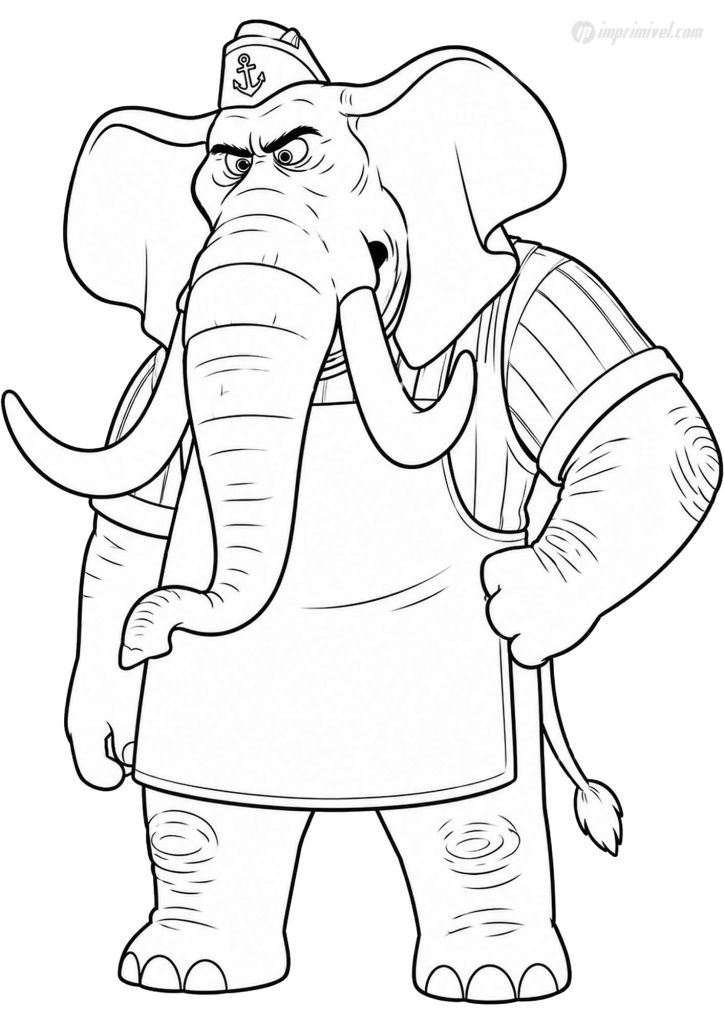
Jerry Jumbeaux Jr
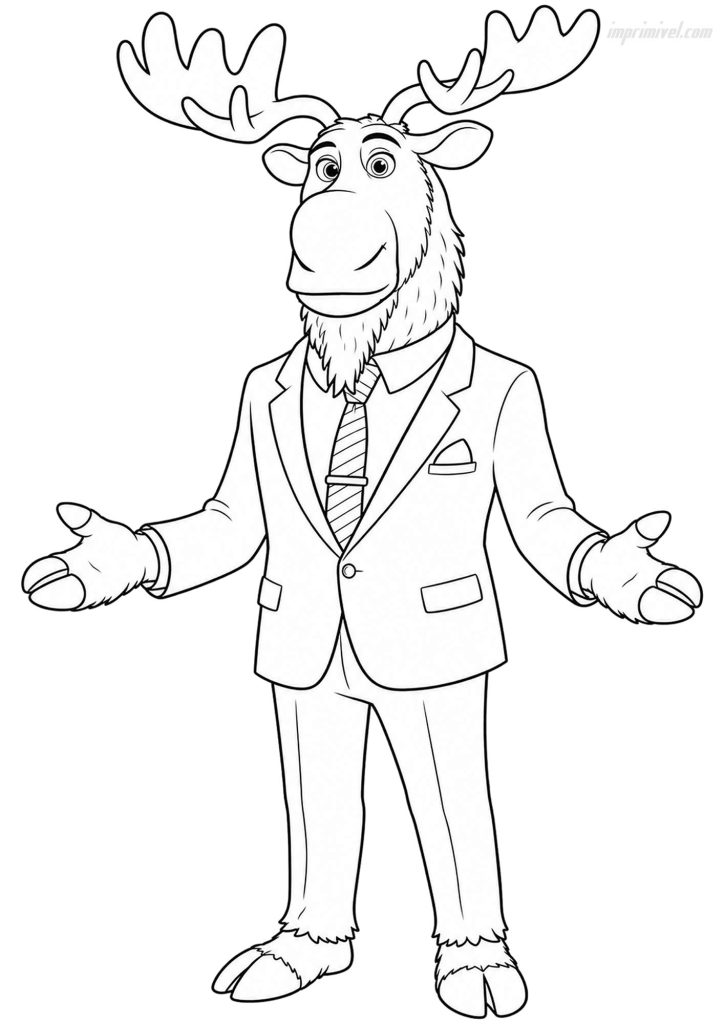
Peter Moosebridge
Dr Madge Honey Badger
Mouse Foreman
Jaguar
Gareth
Dharma Armadillo
Pronk Oryx-Antlerson